Agarwood (Oud Wood): What It Is, How It Forms and How to Buy It
Agarwood, or oud wood, is the resin-filled heartwood of wounded Aquilaria trees. This page is our map of it: what it is, its many names, how it forms, what it smells like, why it sells by weight and how to check it, with a link to a longer guide at every step.

Written by
Founder & Chief Sourcing Officer, AgarwoodTown
Wang Jianyu is the founder of AgarwoodTown, the agarwood business behind Oudbracelet, trading since 2014. 15+ years grading plantation agarwood and advising buyers on grade selection and CITES paperwork. These guides draw on the same bead geometry our wrist fitter uses and on the questions buyers ask before they approve a weighing video.
In this article
- What is agarwood, or oud wood?
- Oud wood at a glance
- Part 1 — Why does oud wood have so many names?
- Part 2 — How does oud wood form inside the tree?
- Part 3 — What does oud wood smell like?
- Oud wood or oud perfume?
- Part 4 — Which forms does oud wood come in?
- Pieces to wear, by form
- Part 5 — Why does oud wood sell by weight, under CITES rules?
- How to check oud wood before you buy
- Oud wood beads in motion
- Finally: oud wood in one sentence
- Frequently asked questions
 Resin-rich
 Lighter
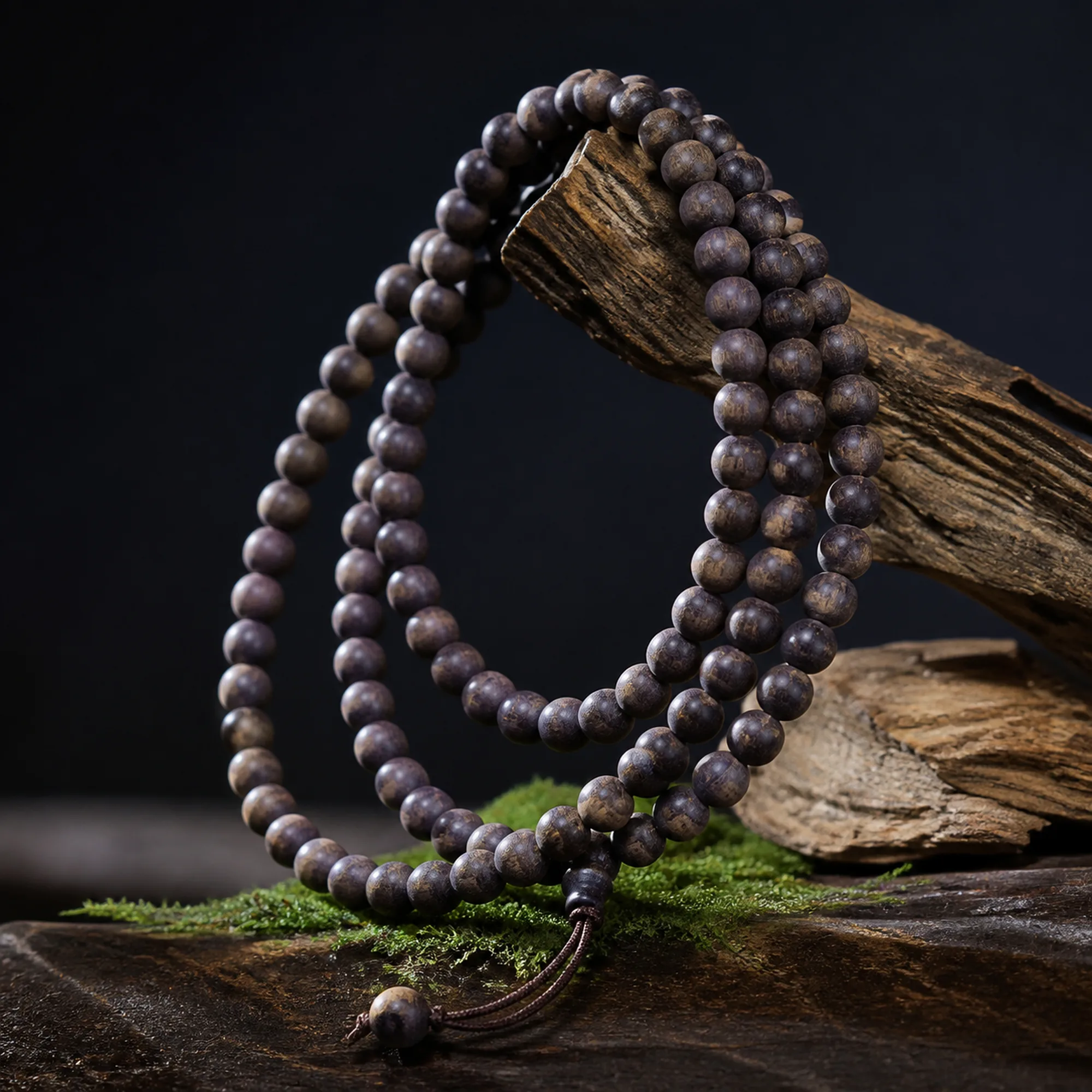
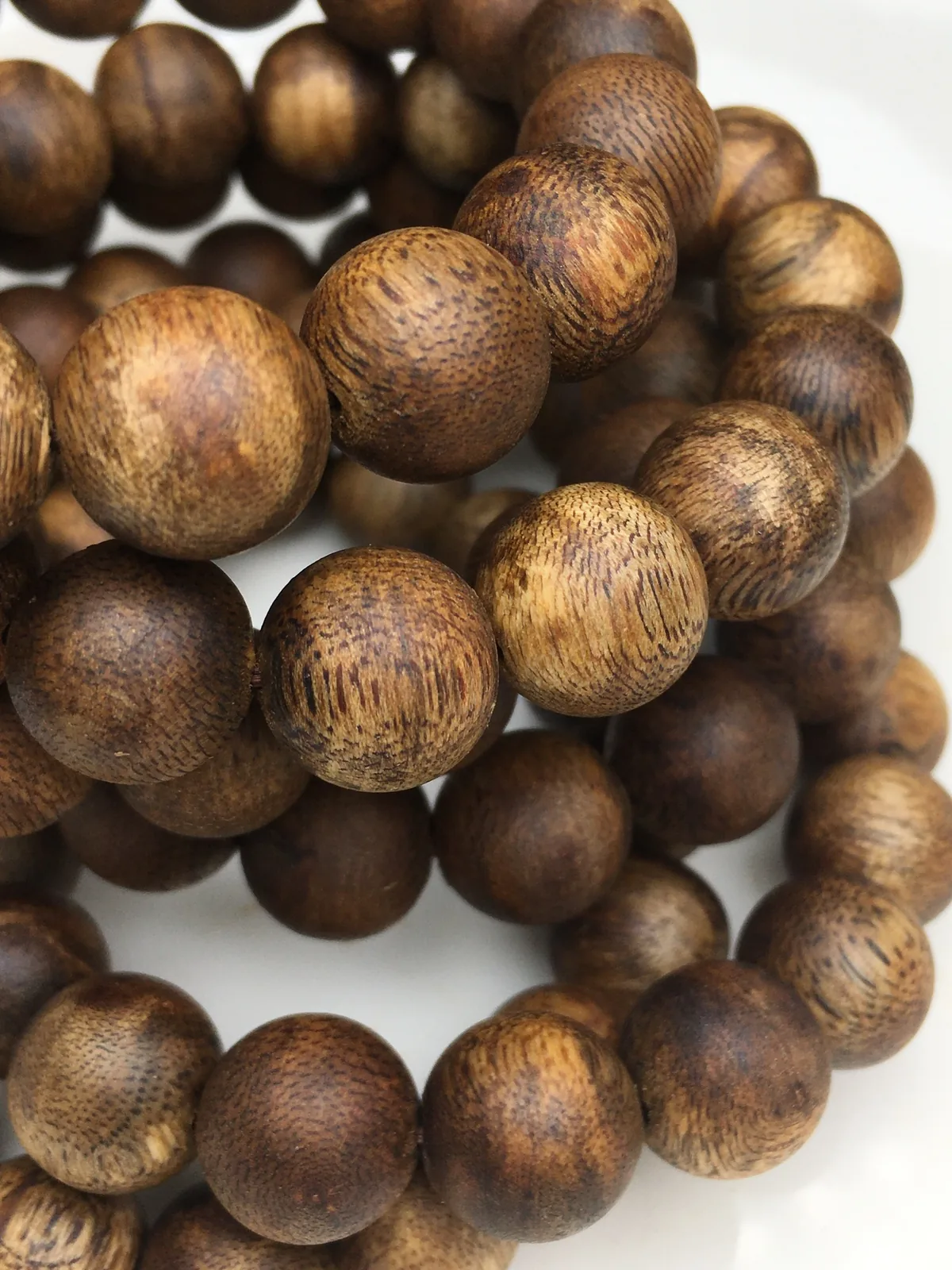
Both are agarwood, also called oud wood. The darker beads hold more resin, so they weigh more and smell fuller when warm. That single difference, how much resin the wood holds, explains most of what follows.
What is agarwood, or oud wood?
Agarwood, also called oud wood, is the dark, resin-filled heartwood of Aquilaria trees. A healthy tree has pale, light and almost scentless wood. Only after a wound does the tree lay down a fragrant resin, and that resin-soaked part is agarwood.(Hishamuddin 2020)
People have burned, carved and worn oud wood for centuries across Asia and the Middle East. Today it appears as beads, chips for gentle heating, distilled oil and incense. Oudbracelet is the retail storefront of AgarwoodTown, whose agarwood trade dates back to 2014. We sell plantation oud wood as bracelets and beads, and this page is our map of everything worth knowing about it.
So start here, then follow the links. Each section below points to a longer guide on that one question.
According to Hishamuddin et al. (2020), there are about 21 Aquilaria species, and the whole genus is listed in CITES Appendix II.(Hishamuddin 2020) First, oud wood forms only in some of those trees. Then it forms only after injury. Finally, plantation growers now start that process on purpose.
Oud wood at a glance
This table is a 8-row summary. First read the question column, then compare the short answer, read more across each row. For example, the first row covers “What it is”.
| Question | Short answer | Read more |
|---|---|---|
| What it is | Resin-filled heartwood of wounded Aquilaria trees | The Aquilaria tree |
| Other names | Oud, aloeswood, eaglewood, gaharu; chén xiāng in Chinese; jinkō in Japanese | Part 1 below |
| Scent | Woody, resinous, faintly sweet; quiet cold, fuller warm | Do agarwood beads smell? |
| Why it is valuable | Resin forms slowly and unevenly, and wild trees are threatened | The rarest wood |
| How it is priced | By weight, because resin adds weight | Priced by weight |
| Does it sink? | Resin-rich pieces can; most beads float | Sinking agarwood |
| Trade rules | All Aquilaria species sit in CITES Appendix II | Part 5 below |
| How to check it | Weight for size, grain, warm-hand scent | Real agarwood |
Every row here links to a longer guide. We keep this page short on purpose, so it stays a map rather than a textbook.
Agarwood and oud wood are two names for one material, so every row applies to both. In practice, the weight row matters most to a buyer, because resin adds weight and the price follows the scale.
Part 1 — Why does oud wood have so many names?
Oud wood is a material with more names than almost any other. Oud comes from Arabic, where the word simply means wood, and oud is the usual name in perfume and in the Gulf. Agarwood comes, through older forms, from the Sanskrit agaru. Aloeswood is the old European name, and the word has nothing to do with the aloe vera plant.
Likewise, eaglewood has nothing to do with eagles. Instead, eaglewood is an old European mishearing of the Asian name. In Southeast Asia the trade name is gaharu. The Chinese name is chén xiāng, “sinking fragrance”, after the heavy pieces which sink in water. Japanese incense culture, meanwhile, uses the name jinkō.
So a listing for oud wood, agarwood or aloeswood beads describes the same material. Science settles on one term: agarwood is the infected heartwood of Aquilaria species, according to a 2011 review by Naef.(Naef 2011) Finally, the name tells you about the seller’s market, not about quality.
Part 2 — How does oud wood form inside the tree?
Oud wood is a defence response of the Aquilaria tree. When lightning, insects, a broken branch or a fungus opens the trunk, the tree packs aromatic compounds into the wood around the wound. Over months to years, the wounded wood darkens and grows heavy, according to a 2019 review by Tan and colleagues.(Tan 2019)
In the wild, resin forms only by chance, so many trees never make oud wood at all. On plantations, growers wound or inoculate the trees on purpose, and the tree still makes the resin itself. For example, the induction methods in the Tan review range from simple drilling to fungal inoculation. Additionally, about 21 Aquilaria species exist, according to Hishamuddin and colleagues, yet only wounded trees hold oud wood.(Hishamuddin 2020) Our guide to the Aquilaria tree explains both routes in detail.
Part 3 — What does oud wood smell like?
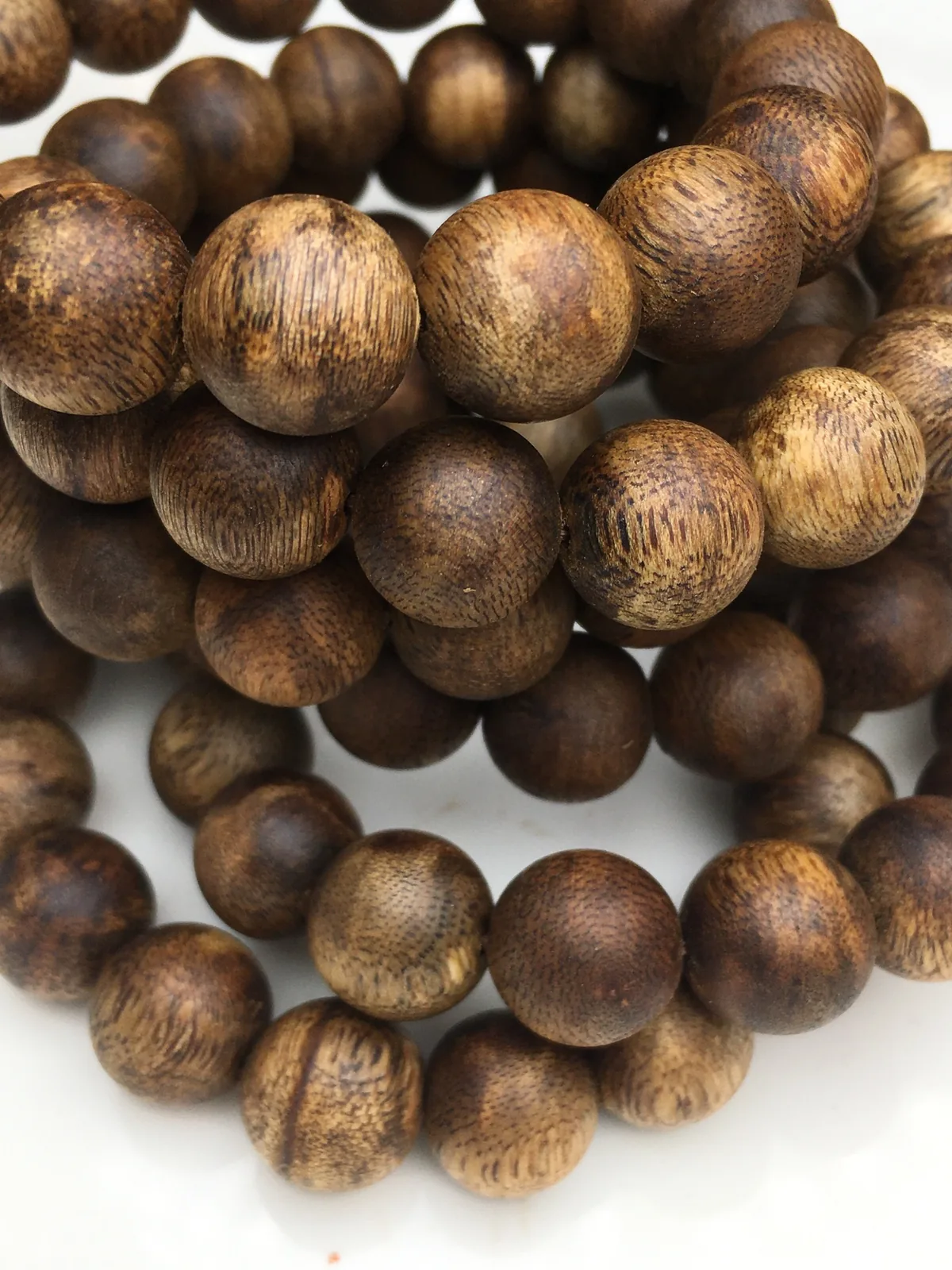
Oud wood smells woody and resinous, often with a faint sweetness and sometimes a leathery edge. The scent is a blend of many aromatic compounds, mainly sesquiterpenes and chromones, according to a 2011 review by Naef.(Naef 2011) The proportions vary from piece to piece, so no two strands smell exactly alike.
Cold, the scent is quiet. However, a warm hand brings the scent up, and gentle heat brings up far more. Traditionally, people warm oud wood chips rather than burn the chips hard. Oud perfumes, by contrast, usually blend a little oud oil or a synthetic accord with rose, amber or vanilla. So oud perfumes smell louder and sweeter than the wood itself. Our guide on whether agarwood beads smell covers what to expect from a bracelet.
Oud wood or oud perfume?
This comparison is a 5-point check of Oud wood (beads, chips) against Oud perfume. For example, the first row compares what it is. Finally, pick the column that matches what you need.
| Feature | Oud wood (beads, chips) | Oud perfume |
|---|---|---|
| What it is | The resin-filled wood itself | A blend, often with a little oud oil or a synthetic accord |
| Scent | Quiet cold, fuller when warmed | Loud from the first spray |
| How long it lasts | Years; the resin is the material | Hours on skin |
| How to judge it | Weight, grain and warm scent | Only by smelling it |
| Where we fit | We sell plantation beads and strands | We make no perfume |
Oud wood is the raw material, while oud perfume is a finished blend. For example, a bracelet of oud wood keeps its resin for years, and a spray of perfume lasts hours on skin. In practice, judge the wood by weight, grain and warm scent, because a perfume offers only the smell. Additionally, oud oil comes from distilling the wood, and a little oil takes a lot of wood.
Part 4 — Which forms does oud wood come in?
Oud wood is a single material, and most of it reaches buyers in four forms. Beads and carvings are worn or handled, and they are what we make: bracelets, malas, pendants and loose beads. Chips are small pieces warmed on a heater or charcoal to release the scent. Oil is distilled from the wood, and it takes a lot of wood to make a little oil. Incense blends powdered oud wood with other materials.
We sell only the first form here. For oil, bakhoor and incense in wholesale quantities, our parent company AgarwoodTown supplies businesses. Also, if you are new to oud wood, beads are the easiest way in: nothing to burn, nothing to spill, and the scent grows with wear. All four forms share one source, the resin-filled heartwood of Aquilaria trees, according to Naef.(Naef 2011)
Pieces to wear, by form
This section is a set of 4 short notes, from “Bracelets” to “Loose beads”. First scan the 4 titles under “Pieces to wear, by form”, then read the note that matches your case.
Bracelets
Round, cube, barrel and natural-form beads, sized to your wrist. Start with pure agarwood bracelets if you want oud wood and nothing else.
Malas and prayer beads
108-bead malas, tasbih and rosary strands in plain round beads. See agarwood malas and our guide to agarwood prayer beads.
Pendants and small pieces
Pendants, earrings and carved charms that need no size, which makes them easy gifts. See agarwood gifts.
Loose beads
Drilled oud wood beads to string yourself, sold by weight. See loose agarwood beads.
A bracelet is the most common way to wear oud wood, and round beads are the classic cut. For example, a 108-bead mala suits counting, while a pendant suits a gift with no wrist size to guess. In practice, loose beads suit people who already string their own designs.
Part 5 — Why does oud wood sell by weight, under CITES rules?
Sellers price oud wood by weight, because resin is heavier than plain wood. A resin-rich piece weighs more for its size, so the scale is the fairest single measure. For example, we weigh every strand on camera before we quote. Our guide to agarwood bracelet price shows the arithmetic.
Wild harvest has also made several Aquilaria species critically endangered. Of about 21 species, 4 are critically endangered and 9 are vulnerable on the IUCN Red List, according to Hishamuddin and colleagues.(Hishamuddin 2020) Together, the two groups make up roughly 62% of the genus. So every species sits in CITES Appendix II, a list which allows trade only with permits.(CITES) We sell plantation oud wood only, and we confirm the paperwork for your country with your quote, before you pay.
How to check oud wood before you buy
This process is a 5-step sequence, from “Ask for the weight” to “Ask where it grew”. First follow step 1, then work down the 5 steps of “How to check oud wood before you buy” in order.
- 1
Step 1: Ask for the weight
Weight for size is the best single check, because resin adds weight.
- 2
Step 2: Look at the grain
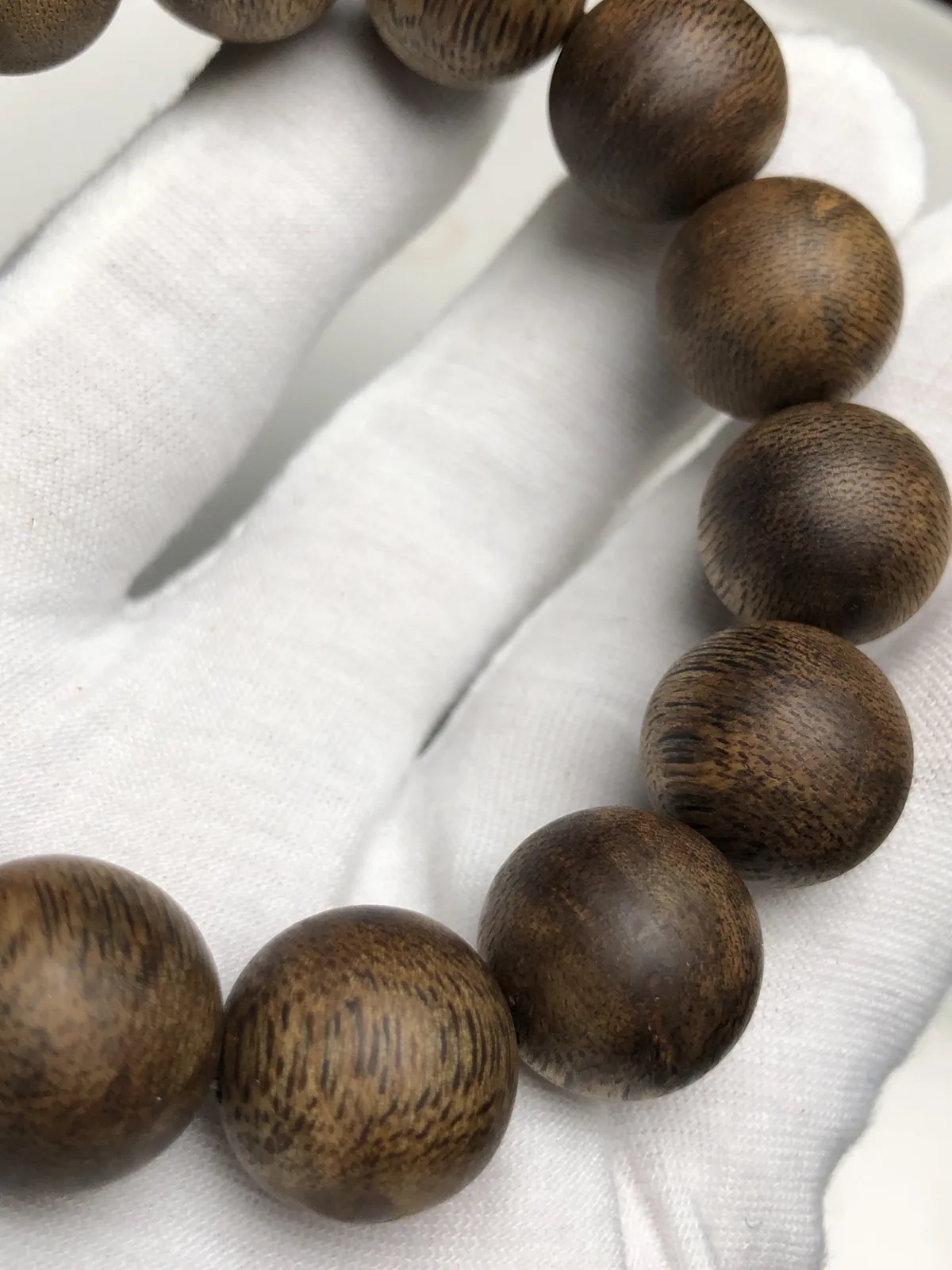
Real oud wood shows resin lines that differ from bead to bead.
- 3
Step 3: Smell it warm
Hold it for a minute. The scent should grow with warmth, not arrive loud from the bag.
- 4
Step 4: Check for dye
Rub with a damp white cloth. Colour on the cloth suggests stained wood.
- 5
Step 5: Ask where it grew
Plantation or wild? A good seller answers plainly and handles CITES paperwork.
Weight for size is the best single check, because resin is denser than plain wood. In practice, steps 1 and 3 together catch the commonest fake: plain wood dyed dark and soaked in fragrance oil, which feels light and smells loud straight from the bag.
Oud wood beads in motion
 Cube cut
 Barrel cut
The cut decides how much of the wood’s pattern you see. See our guide to agarwood bead shapes for every cut we make.
Finally: oud wood in one sentence
Oud wood is the resin an Aquilaria tree lays down around a wound: slowly, unevenly and never the same way twice. Everything else follows from the wound response: the scent, the weight, the price and the care.
So when you buy oud wood, ask for evidence rather than adjectives. First, ask for the weight. Second, look at the grain. Finally, smell the beads warm. We show all three for every strand, weighed on camera before you decide. Plantation growers now start the wound on purpose, according to Tan and colleagues, so plantation oud wood no longer depends on chance.(Tan 2019) Start with our guide to buying an agarwood bracelet.
Frequently asked questions
This FAQ is a set of 8 short answers about agarwood (oud wood). First find your question below. For example, many facts in these answers about agarwood (oud wood) come from the 4 published sources in References, which we checked in September 2026.
Is agarwood the same as oud wood?
Yes. Agarwood and oud wood are two names for the same material: the resin-filled heartwood of wounded Aquilaria trees. Oud is the Arabic name, used in perfume and the Gulf, while agarwood comes from the Sanskrit agaru. Aloeswood, eaglewood and gaharu are further names for the same wood.
Why is oud wood so expensive?
Because the valuable part is resin that only some trees make, slowly and unevenly, after a wound. Wild harvest has made several species critically endangered, and all species need CITES permits to cross borders. Resin also adds weight, so sellers price oud wood by weight. We weigh every strand on camera before we quote.
What does oud wood smell like?
Woody and resinous, usually with a faint sweetness and sometimes a leathery edge. Cold, it is quiet. However, a warm hand brings the scent up, and gentle heat brings up much more. It differs from oud perfume, which is usually blended with sweeter notes and smells louder than the wood itself.
Is plantation oud wood real agarwood?
Yes. On plantations, growers start the wound response on purpose, but the Aquilaria tree still makes the resin itself. So it is the same kind of resinous wood. It varies with the age of the tree and the length of induction, which is why we weigh and film each strand rather than grading it by name.
Does oud wood sink in water?
Some does. Plain Aquilaria wood floats easily, but resin is denser, so heavily resinated pieces can sink. That is where the Chinese name chén xiāng, sinking fragrance, comes from. Even so, most bracelet beads float. Our guide to sinking agarwood explains how to check density from the weight we send you.
Can I burn agarwood beads?
Please do not. Beads are finished pieces meant to be worn and handled, and heat damages the polish and the cord. People warm oud wood chips, not beads, usually on a gentle electric heater rather than a flame. For a bracelet, your own hand is the right amount of warmth to bring up the scent.
Is agarwood legal to buy and ship?
Yes, with the right paperwork. Every Aquilaria species sits in CITES Appendix II, which allows international trade with permits. However, rules for personal parcels differ by country. So we confirm the documents and delivery time for your country together with your quote, before you pay anything.
Where should a beginner start with oud wood?
With a simple bracelet in round beads. It needs nothing but wearing, the scent grows with your own warmth, and it teaches you how the wood changes over time. Our guide to buying an agarwood bracelet walks through bead size, resin and budget, and we film your strand before you decide.
References
This reference list is the source record for “Agarwood (Oud Wood): What It Is, How It Forms and How to Buy It”, with 4 published sources. According to the citations in “Agarwood (Oud Wood): What It Is, How It Forms and How to Buy It”, such as (Hishamuddin 2020), each one links to one entry below. Finally, we checked all 4 links behind “Agarwood (Oud Wood): What It Is, How It Forms and How to Buy It” in September 2026.
- 1Hishamuddin M.S., Lee S.Y., Ng W.L., Ramlee S.I., Lamasudin D.U., Mohamed R.. Comparison of eight complete chloroplast genomes of the endangered Aquilaria tree species (Thymelaeaceae) and their phylogenetic relationships. Scientific Reports 10: 13034, 2020.doi:10.1038/s41598-020-70030-0
- 2Tan C.S., Isa N.M., Ismail I., Zainal Z.. Agarwood induction: current developments and future perspectives. Frontiers in Plant Science 10: 122, 2019.doi:10.3389/fpls.2019.00122
- 3Naef R.. The volatile and semi-volatile constituents of agarwood, the infected heartwood of Aquilaria species: a review. Flavour and Fragrance Journal 26(2): 73–87, 2011.doi:10.1002/ffj.2034
- 4CITES Secretariat. Appendices I, II and III. Convention on International Trade in Endangered Species of Wild Fauna and Flora, current.View source
References are listed for transparency. We summarise them for general reading; nothing here is medical advice, and no health effect is claimed.
In this article
Styles mentioned


Browse more: Agarwood Multi-Wrap & Malas · Agarwood Loose Beads · Agarwood Bracelets
Related articles
Weighed before you pay
Choose a style, get your strand weighed
Pick a bead and size, send your request, and we reply with a video of your piece on the scale — its exact weight and price. Nothing is charged until you approve.