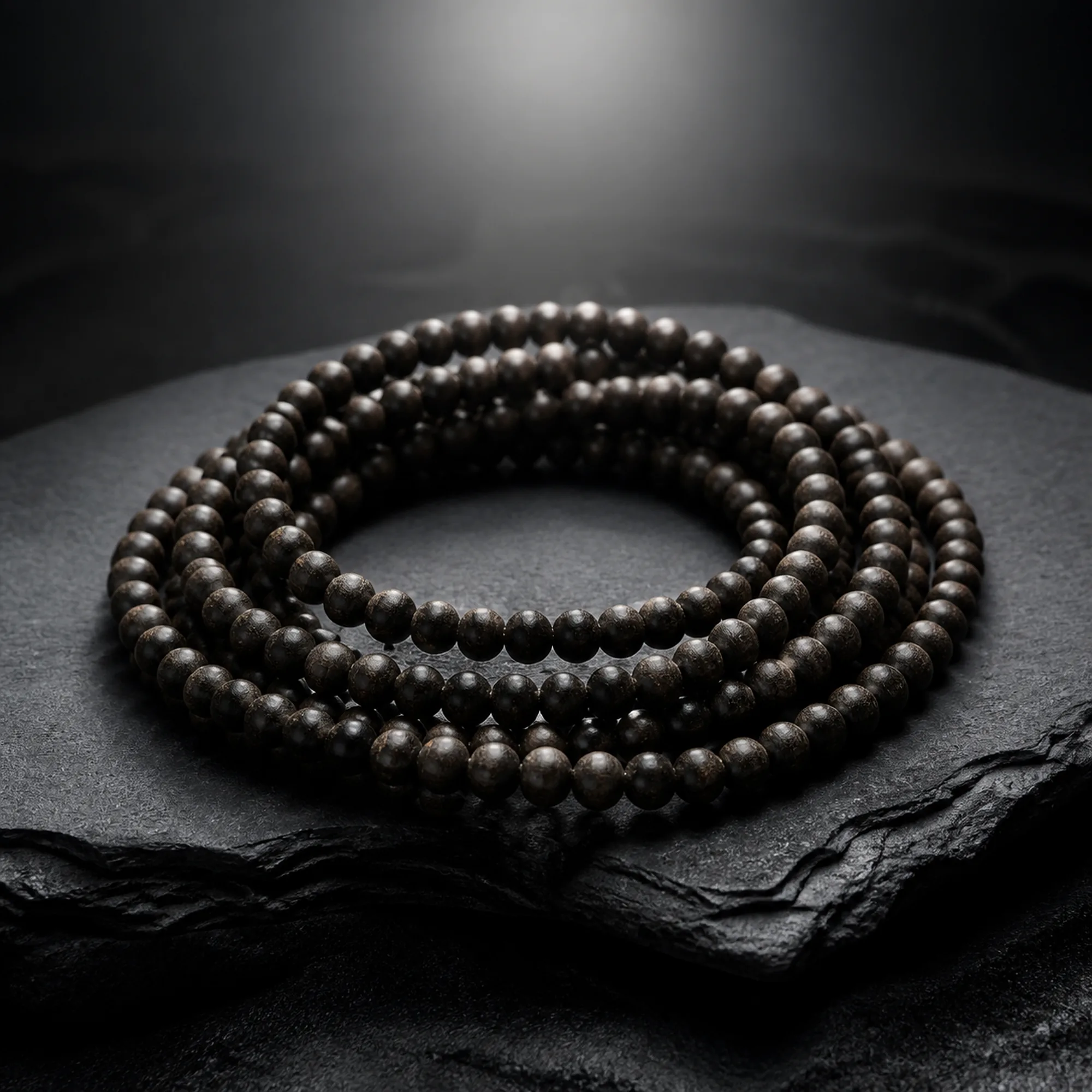
Juzu: Japanese Buddhist Prayer Beads, Explained
A juzu is a string of Japanese Buddhist prayer beads. This guide shows how people build and hold a formal juzu of 108 beads, and how it differs from a mala. Then it explains how to choose a simple wooden wrist juzu.

Written by
Founder & Chief Sourcing Officer, AgarwoodTown
Wang Jianyu is the founder of AgarwoodTown, the agarwood business behind Oudbracelet, trading since 2014. 15+ years grading plantation agarwood and advising buyers on grade selection and CITES paperwork. These guides draw on the same bead geometry our wrist fitter uses and on the questions buyers ask before they approve a weighing video.
In this article
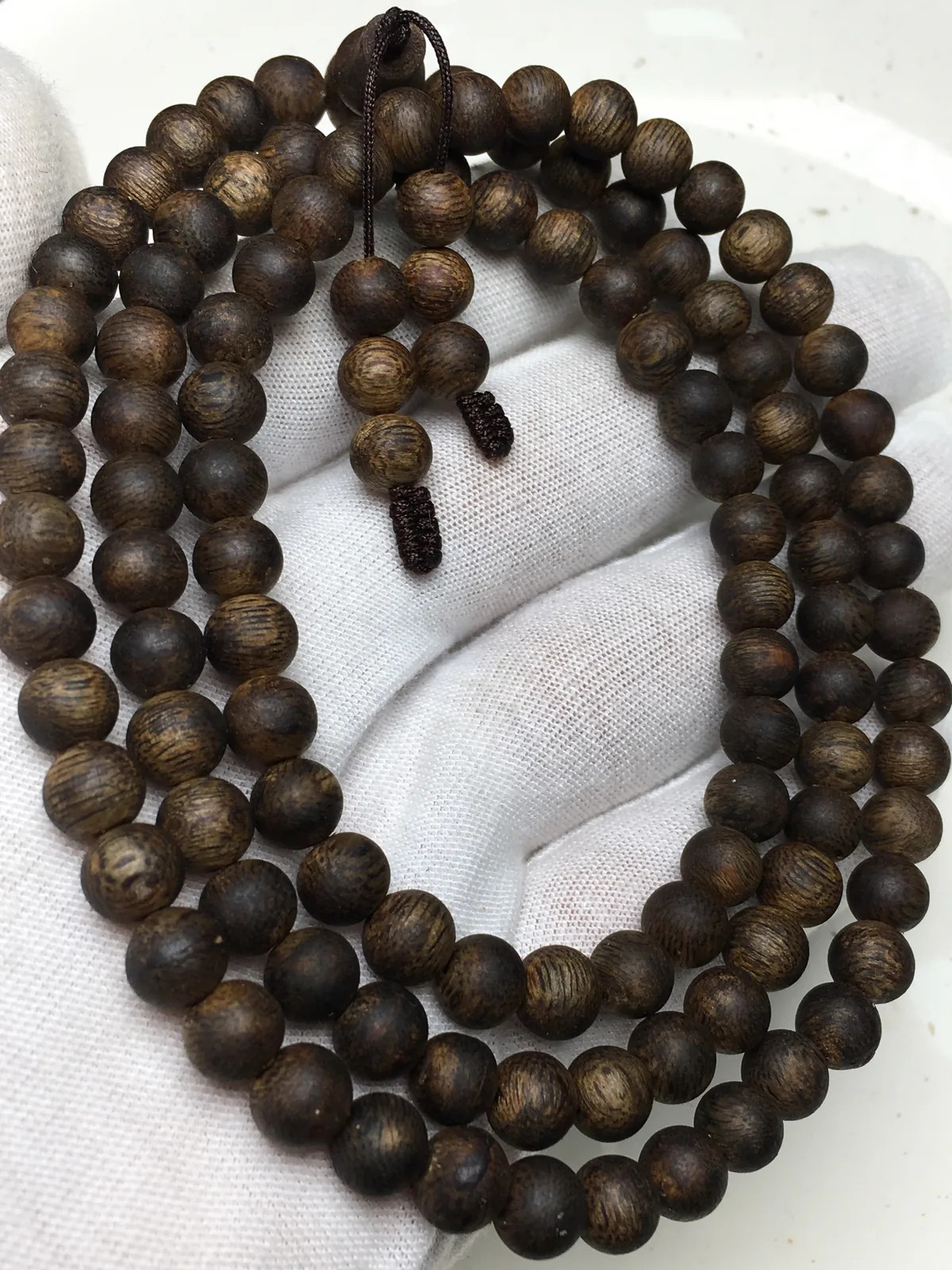 Full strand
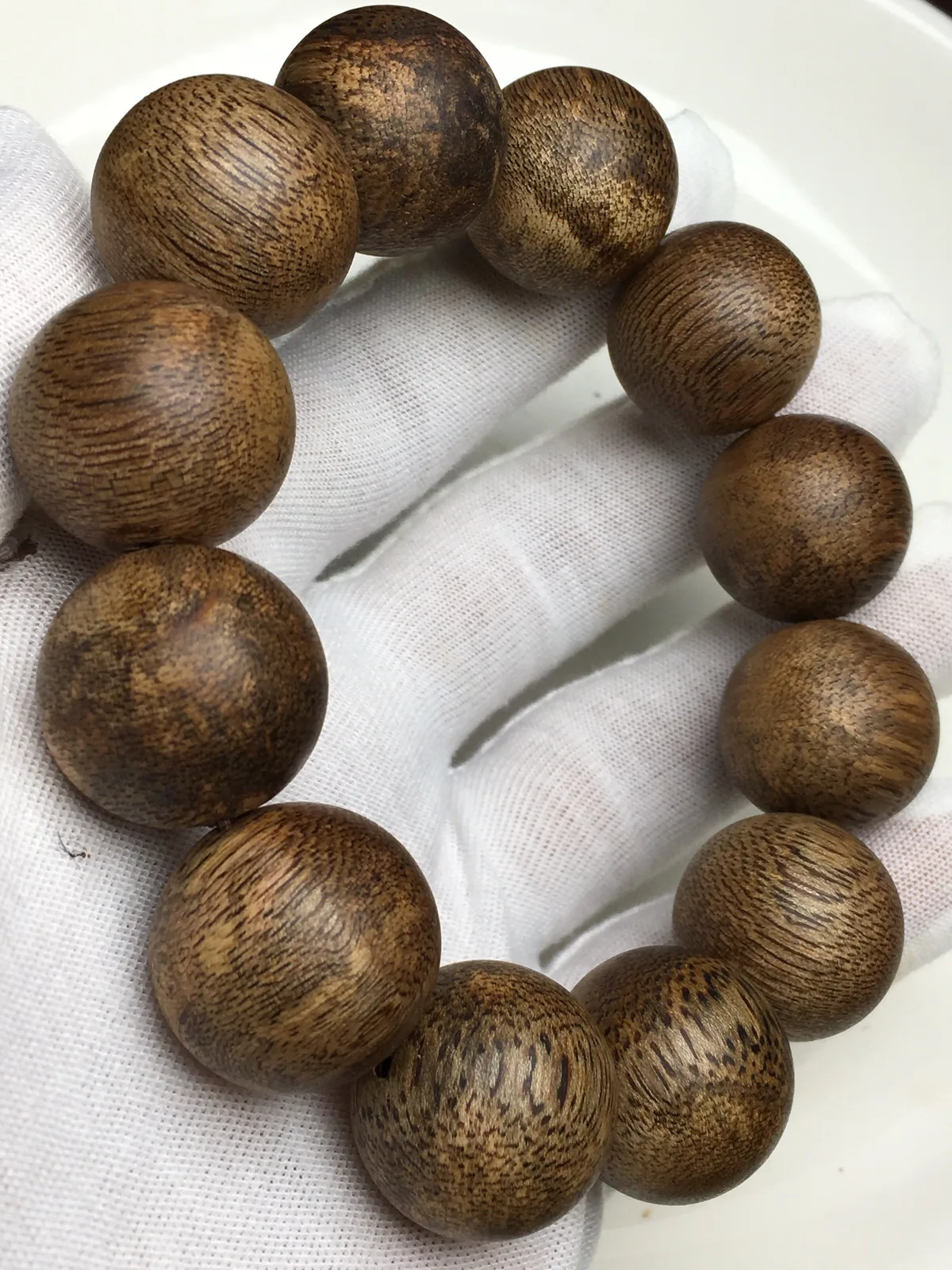 Wrist loop
A full juzu is a long strand held in both hands. A wrist juzu is a single loop worn as a bracelet.
What is a juzu?
Put simply, a juzu is a string of Japanese Buddhist prayer beads. The word means, roughly, beads for counting, and you will also hear the name nenju. People hold juzu during chanting and at temple visits, funerals and memorial services.
A formal juzu usually has 108 beads. In one common form, two long strands join at each end through two large beads, with three short strands on one side and two on the other.(Myogyoji) Held in use, the strand forms a figure eight across the hands. However, the exact form differs from sect to sect.
According to Myogyoji Temple, a Nichiren Shoshu temple, the 108 beads stand for earthly desires, and four smaller beads stand for four virtues. First, two long strands join at two large beads. Then three short strands hang on one side and two on the other. Finally, the strand forms a figure eight when held.
What forms does a juzu take?
This table is a 3-row summary. First read the form column, then compare the main beads, worn or held, typical bead size across each row. For example, the first row covers “Formal juzu”.
| Form | Main beads | Worn or held | Typical bead size |
|---|---|---|---|
| Formal juzu | 108 | Held in both hands | 6–8 mm |
| Shortened juzu | 54 or 27 | Held in one hand | 8–10 mm |
| Wrist juzu | about 24 at 8 mm on a 16 cm wrist | Worn as a bracelet | 8–12 mm |
Counts for shortened forms vary between sects and makers. Wrist counts use our wrist-fit geometry at a standard fit.
The formal juzu is the full strand of 108 beads, held across both hands at ceremonies. In one common form, according to Myogyoji Temple, two long strands meet at two large beads, and the 108 beads stand for earthly desires.(Myogyoji) Shortened juzu of 54 or 27 beads divide 108 by two and by four, so a shorter strand still keeps the old count in proportion. A wrist juzu is a single loop worn as a bracelet. For example, a 16 cm wrist takes 24 beads at 8 mm. In practice, the wrist form suits daily wear, while the formal strand stays for temple visits, funerals and memorial services.
Part 1 — How do people hold and use a juzu?
Holding a juzu is a matter of sect practice, and the details differ from temple to temple. In one form, according to Myogyoji Temple, the three-strand end rests over the right middle finger and the two-strand end over the left. Then the hands come together and hold the beads still instead of rubbing the strand.(Myogyoji) Other sects hold a juzu differently, so follow your own temple.
Also, people treat a juzu with care. Many avoid placing the strand on the floor, and many keep a juzu in a small pouch. As a result, one strand often lasts a lifetime. Prayer beads in other traditions have their own counts. For example, a Hindu mala usually has 108 beads,(Britannica 2026) and a Catholic rosary has 59.(USCCB)
Part 2 — Choosing a wrist juzu
A wrist loop is the easiest way to keep prayer beads with you. First, measure your wrist just below the bone. Then pick a bead size: 8 to 10 mm reads as a proper strand without feeling heavy. For example, a 16 cm wrist takes 24 beads at 8 mm, or 20 at 10 mm.
Next, choose the wood. Sandalwood, rosewood and agarwood are all traditional woods here. Agarwood shows dark resin lines that differ on every bead, and it carries a quiet scent.(Naef 2011) Finally, keep the wood dry and wipe it with a soft cloth.
Juzu or mala: what is the difference?
This comparison is a 4-point check of Juzu against Mala. For example, the first row compares tradition. Finally, pick the column that matches what you need.
| Feature | Juzu | Mala |
|---|---|---|
| Tradition | Japanese Buddhism | Hindu and Buddhist practice in South Asia |
| Full count | 108, in sect-specific forms | 108 with one guru bead |
| Held | Often across both hands | Usually in one hand |
| Finish | Parent beads, strands, tassels | Guru bead, often a tassel |
A juzu and a mala share the count of 108 but differ in form and use. A japa mala usually has 108 beads and one larger guru bead that marks the start and end of the count.(Britannica 2026) A formal juzu, by contrast, follows Japanese sect forms, with parent beads and several short strands. For example, the form described by Myogyoji Temple joins two long strands at two large beads.(Myogyoji) In practice, a mala sits in one hand, while a formal juzu often spans both hands. Finally, a wrist loop of either kind is simply a shorter strand for daily wear.
Ordering a wooden wrist juzu
This process is a 4-step sequence, from “Measure your wrist” to “Approve, then pay”. First follow step 1, then work down the 4 steps of “Ordering a wooden wrist juzu” in order.
- 1
Step 1: Measure your wrist
Just below the bone, measured flat.
- 2
Step 2: Choose the bead size
8 to 10 mm is the usual range for a wrist juzu.
- 3
Step 3: We string and film
We string the round beads and weigh them on camera.
- 4
Step 4: Approve, then pay
Check the count and weight in the video first.
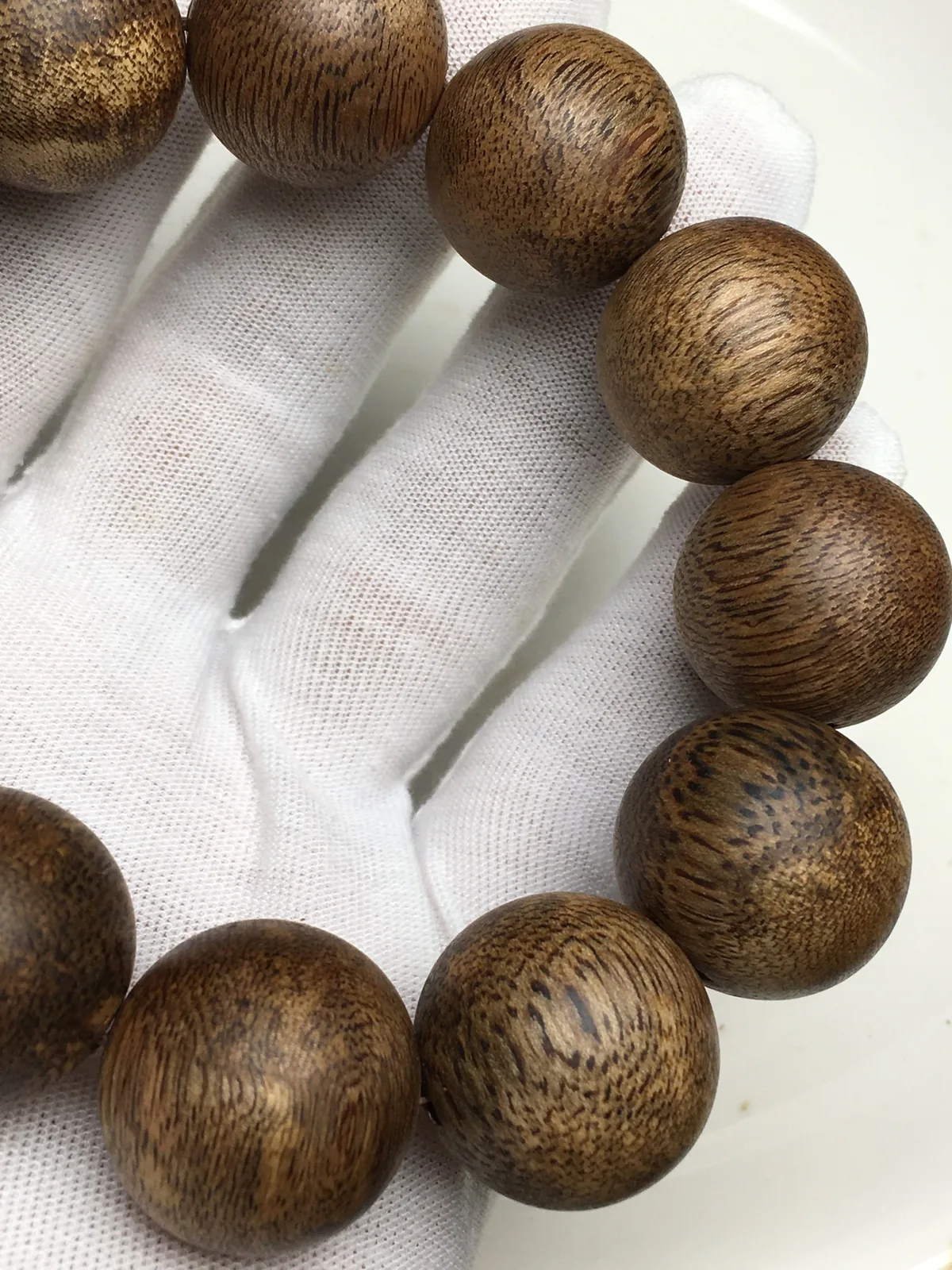
A wrist juzu from our workshop is a loop of plain round agarwood beads, strung to a measured wrist. First, the wrist measure and the bead size set the count. For example, a 16 cm wrist takes 20 beads at 10 mm. Second, we string the beads and film the strand on the scale. As a result, the count and weight show on camera before payment. Finally, you pay only after you approve the video.
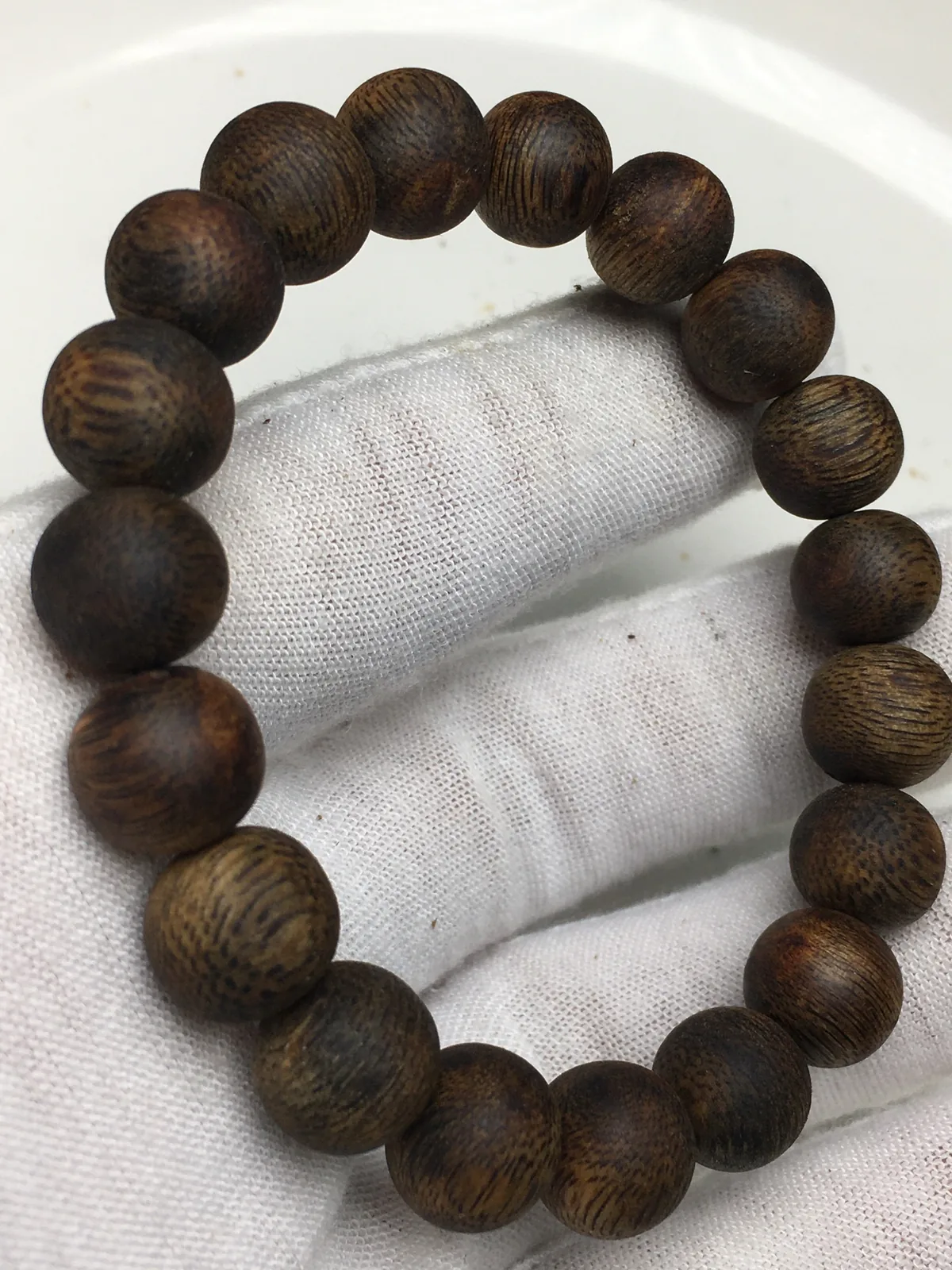
Round beads for a juzu, on film
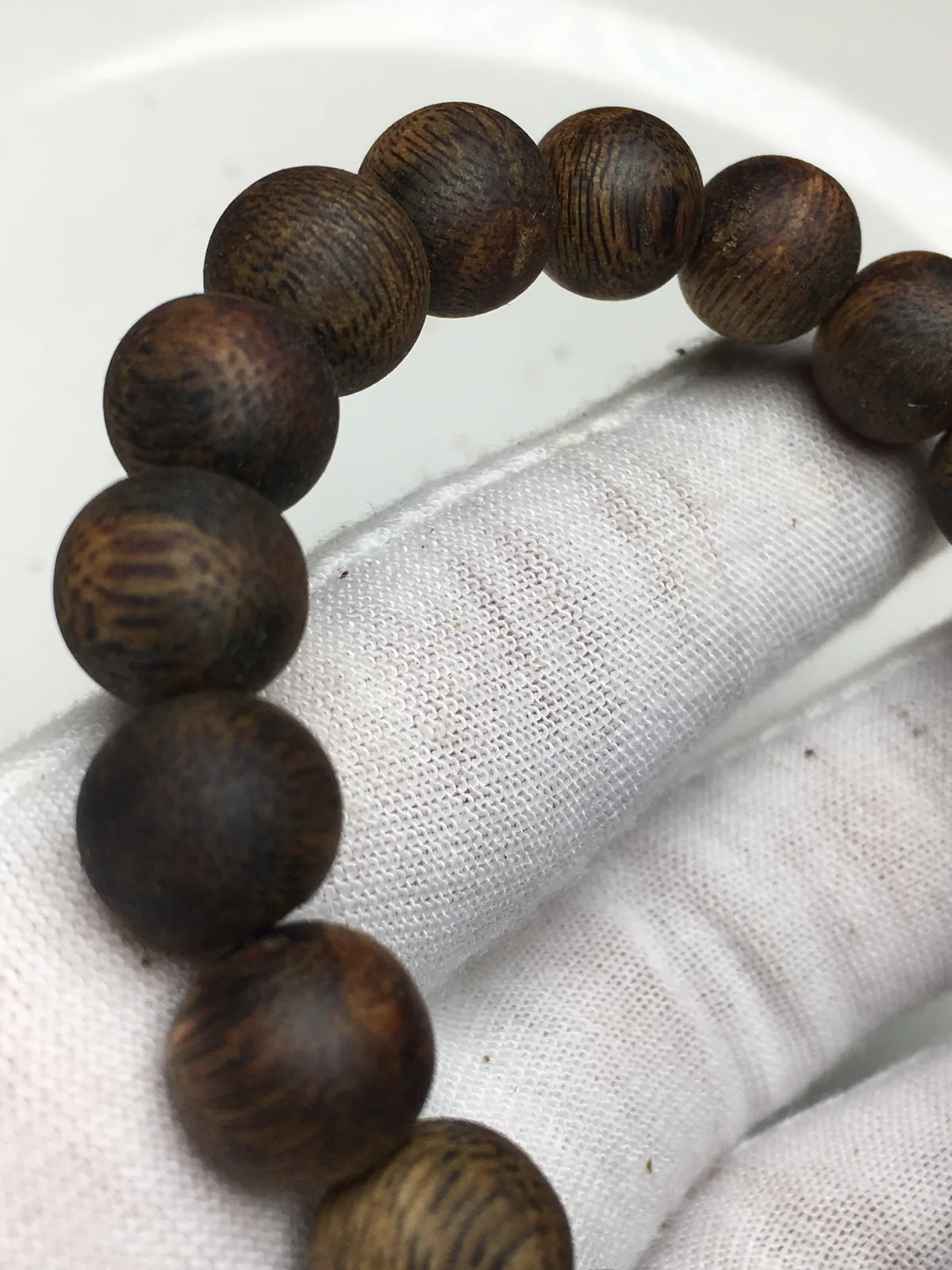
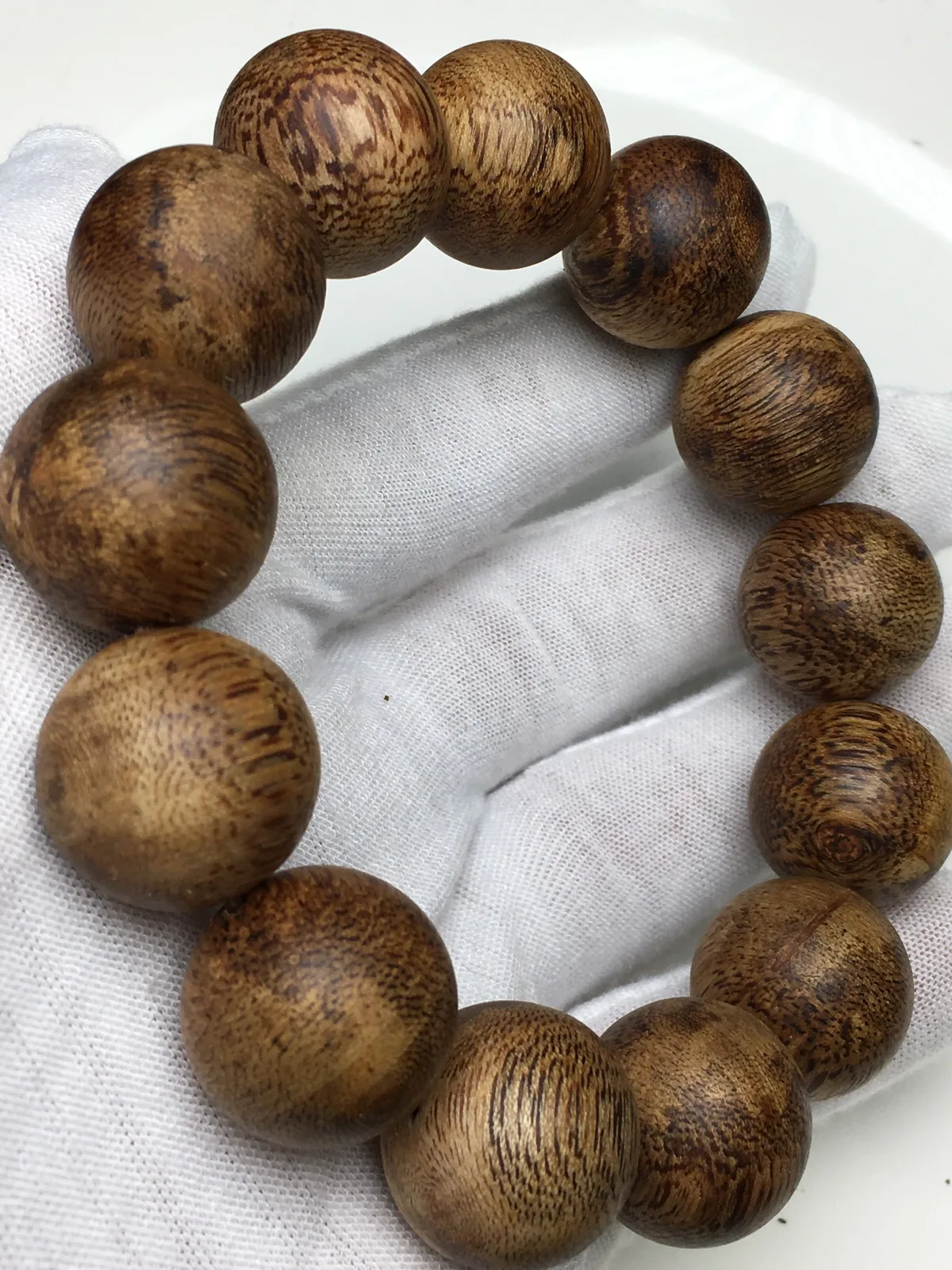
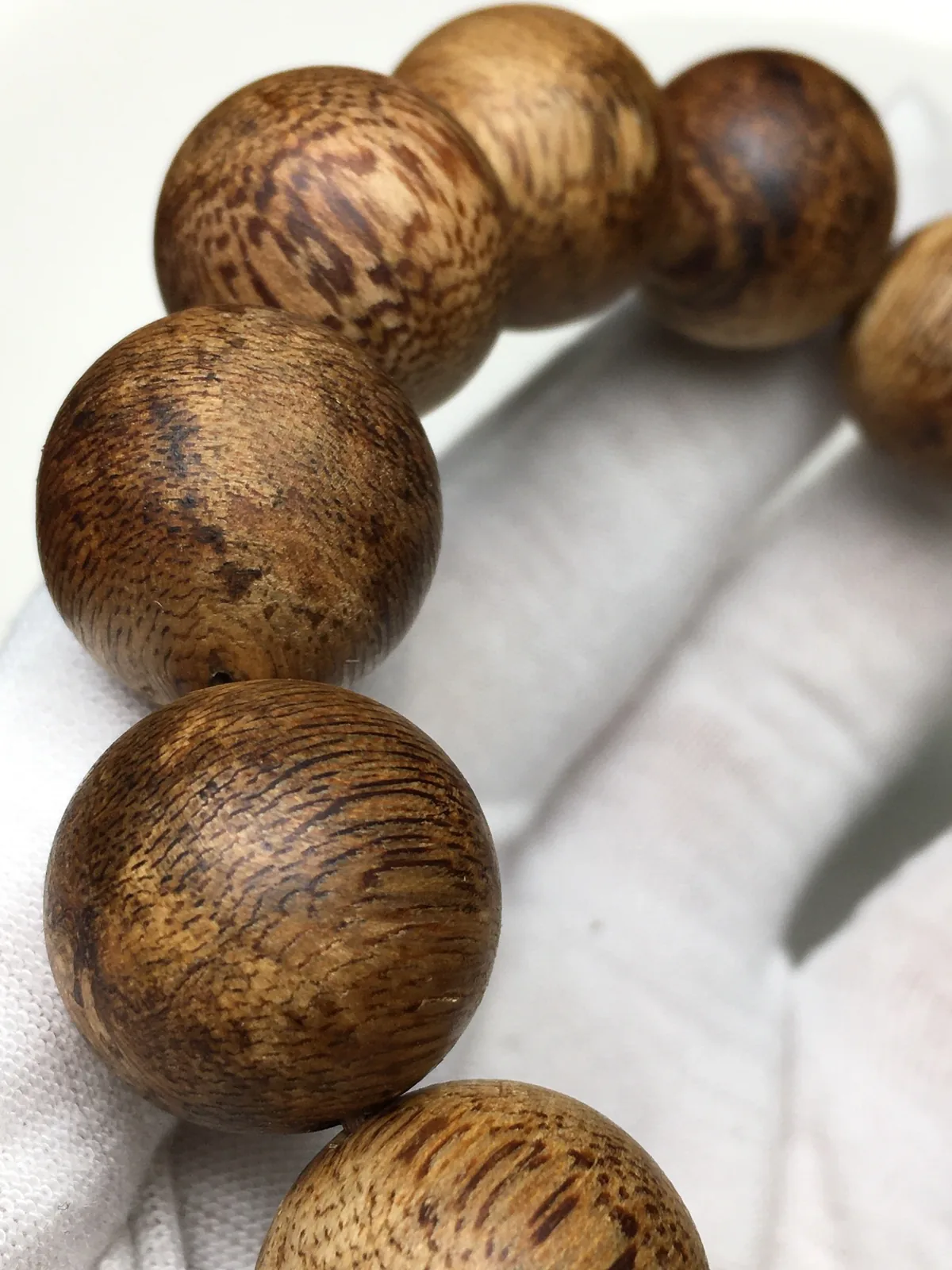
Other agarwood cuts, on film
A juzu to keep close
In short, a juzu is a string of Japanese Buddhist prayer beads, usually 108 in its formal form, with details that follow each sect, according to Myogyoji Temple.(Myogyoji) A temple shop is the best source for a formal juzu with parent beads and tassels. A simple wrist juzu, by contrast, suits everyday wear and needs only a wrist measure and a bead size.
Our agarwood is plantation-grown and ships under CITES rules.(CITES) We string round beads to your wrist and film the strand before you pay. For longer strands, see our agarwood malas. Finally, keep any wooden juzu dry, wipe the beads with a soft cloth, and store the strand in a pouch away from sun.
Frequently asked questions
This FAQ is a set of 8 short answers about juzu. First find your question below. For example, many facts in these answers about juzu come from the 5 published sources in References, which we checked in September 2026.
What is a juzu used for?
People hold a juzu during chanting and at temple visits, funerals and memorial services in Japanese Buddhism. It keeps the hands still and the attention on the practice. Many people also carry a small wrist loop every day as a quiet reminder.
How many beads does a juzu have?
A formal juzu usually has 108 main beads. In one common form, two strands join through two large beads, with three short strands on one side and two on the other. Shortened juzu of 54 or 27 beads, and wrist juzu, are also common.
How do you hold a juzu?
It depends on the sect. In the form described by Myogyoji Temple, the three-strand end goes over the right middle finger and the two-strand end over the left, and you hold the beads quietly as the hands come together. Follow your own temple.
Is a juzu the same as a mala?
They are related but not the same. Both commonly count 108 beads, but a juzu follows Japanese sect forms, with parent beads and several short strands, while a mala usually has one guru bead and is held in one hand.
Can anyone wear a juzu bracelet?
Many people wear a simple wrist juzu as a reminder, whatever their background. It is polite to treat it with care: keep it off the floor and store it in a pouch. For temple ceremonies, a formal strand of your own sect is the usual choice.
What wood is a juzu made from?
Sandalwood, rosewood and agarwood are traditional, along with seeds, crystal and other stones. Wood is light and warm in the hand. Agarwood shows dark resin lines that differ on every bead, and it carries a quiet, woody scent that rises in a warm hand.
Do you sell formal juzu?
No. We string plain round agarwood beads as a 108-bead strand or a wrist loop sized to you. Formal strands with parent beads and tassels follow each sect’s rules, so a temple shop is the right place for one. We say this plainly before quoting.
How do I look after a wooden juzu?
Keep it dry, wipe it with a soft cloth, and store it in a pouch away from sun. Avoid water, perfume and cleaning sprays, which dull the wood and weaken the cord. With daily wear, have the cord restrung every year or two.
References
This reference list is the source record for “Juzu: Japanese Buddhist Prayer Beads, Explained”, with 5 published sources. According to the citations in “Juzu: Japanese Buddhist Prayer Beads, Explained”, such as (Myogyoji), each one links to one entry below. Finally, we checked all 5 links behind “Juzu: Japanese Buddhist Prayer Beads, Explained” in September 2026.
- 1Myogyoji Temple, Nichiren Shoshu. Buddhist Prayer Beads (Juzu). nstmyogyoji.org, current.View source
- 2Encyclopaedia Britannica. Japa mala. Britannica, 2026.View source
- 3United States Conference of Catholic Bishops. How to Pray the Rosary. USCCB, current.View source
- 4Naef R.. The volatile and semi-volatile constituents of agarwood, the infected heartwood of Aquilaria species: a review. Flavour and Fragrance Journal 26(2): 73–87, 2011.doi:10.1002/ffj.2034
- 5CITES Secretariat. Appendices I, II and III. Convention on International Trade in Endangered Species of Wild Fauna and Flora, current.View source
References are listed for transparency. We summarise them for general reading; nothing here is medical advice, and no health effect is claimed.
In this article
Styles mentioned


Related articles
Weighed before you pay
Choose a style, get your strand weighed
Pick a bead and size, send your request, and we reply with a video of your piece on the scale — its exact weight and price. Nothing is charged until you approve.