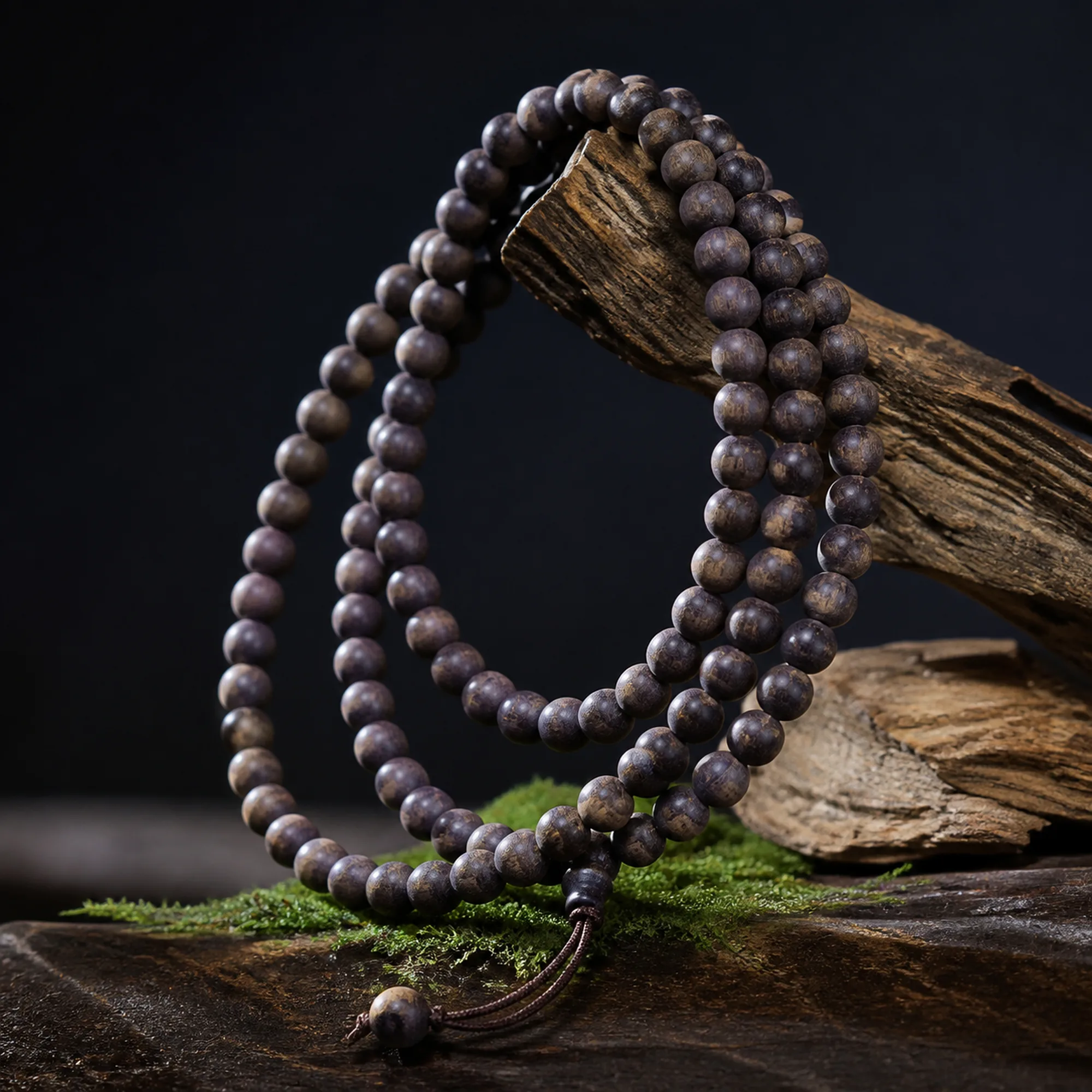
How to Tie an Elastic Bracelet (and an Adjustable Knot)
Knowing how to tie an elastic bracelet properly is what stops a strand from snapping. An elastic bracelet is a bead strand on stretch cord, and the knot is the weak point. The guide covers the pre-stretch, the surgeon’s knot, glue and hiding the knot, which cord suits each bead size, and how to tie an adjustable sliding knot. In our data, 145 of the 182 styles here are elastic bead strands, or 80%. Only 3 red string styles (2%) use a sliding knot. For example, step 1 is pulling the cord 3 or 4 times. Agarwood density also varies with resin, according to Wang and colleagues,(Wang 2021) so a heavier elastic bracelet needs stronger cord.

Written by
Founder & Chief Sourcing Officer, AgarwoodTown
Wang Jianyu is the founder of AgarwoodTown, the agarwood business behind Oudbracelet, trading since 2014. 15+ years grading plantation agarwood and advising buyers on grade selection and CITES paperwork. These guides draw on the same bead geometry our wrist fitter uses and on the questions buyers ask before they approve a weighing video.
In this article
- How do you tie an elastic bracelet so it holds?
- Which cord should you use to tie an elastic bracelet?
- Part 1 — How do you tie an elastic bracelet, step by step?
- Part 2 — How do you tie an adjustable bracelet knot?
- Elastic cord or sliding knot?
- What are the steps to tie an elastic bracelet?
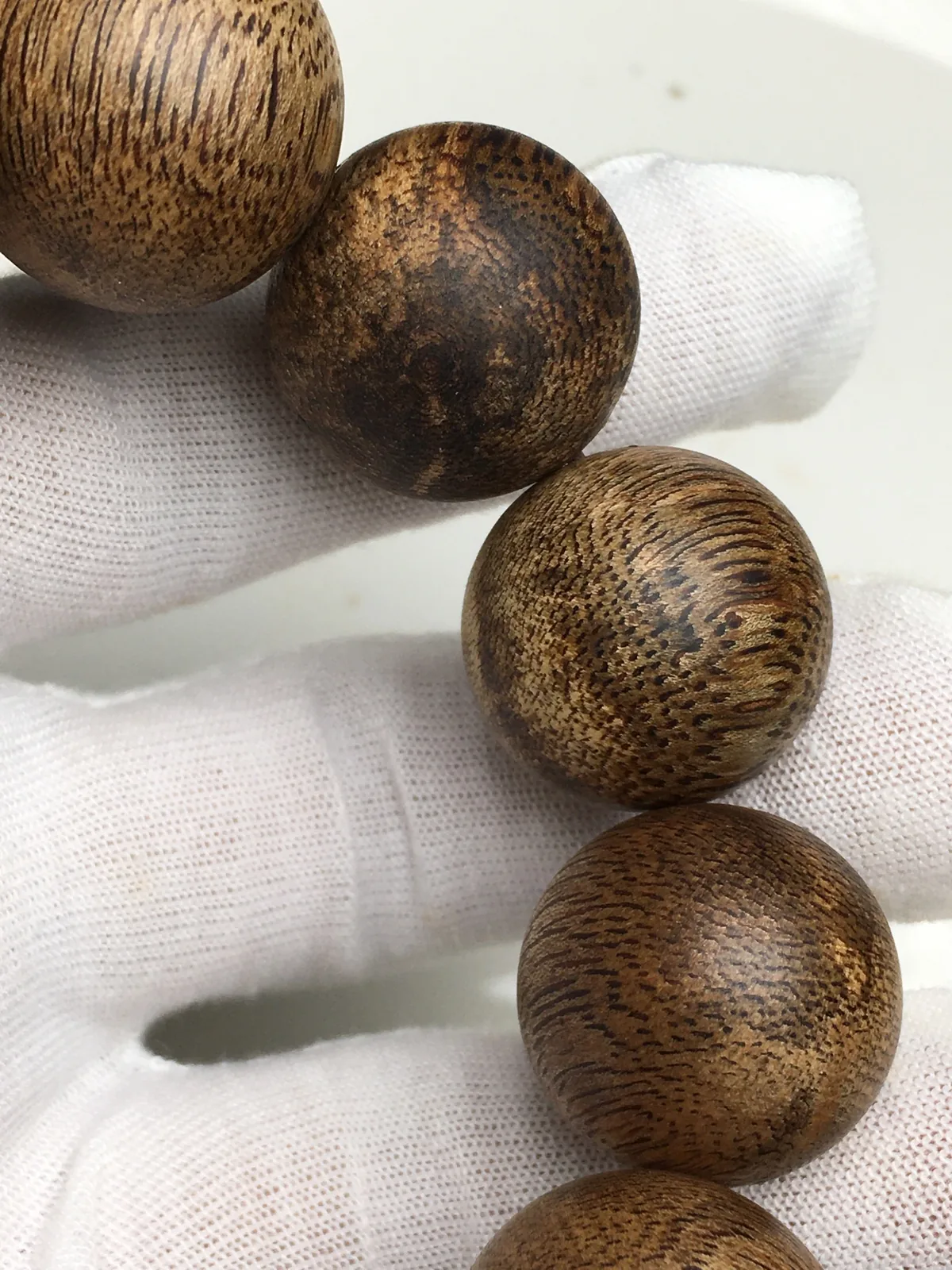
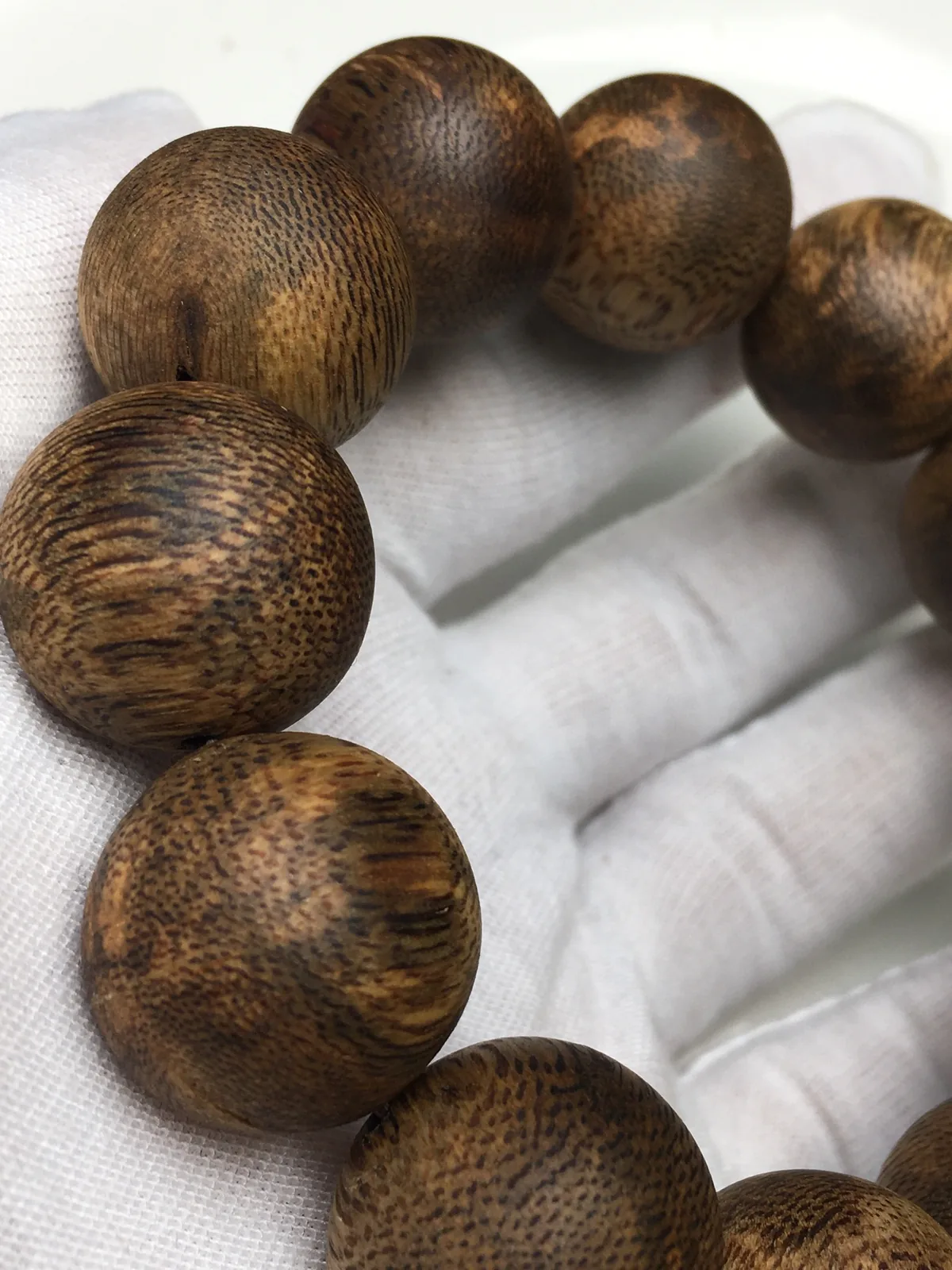
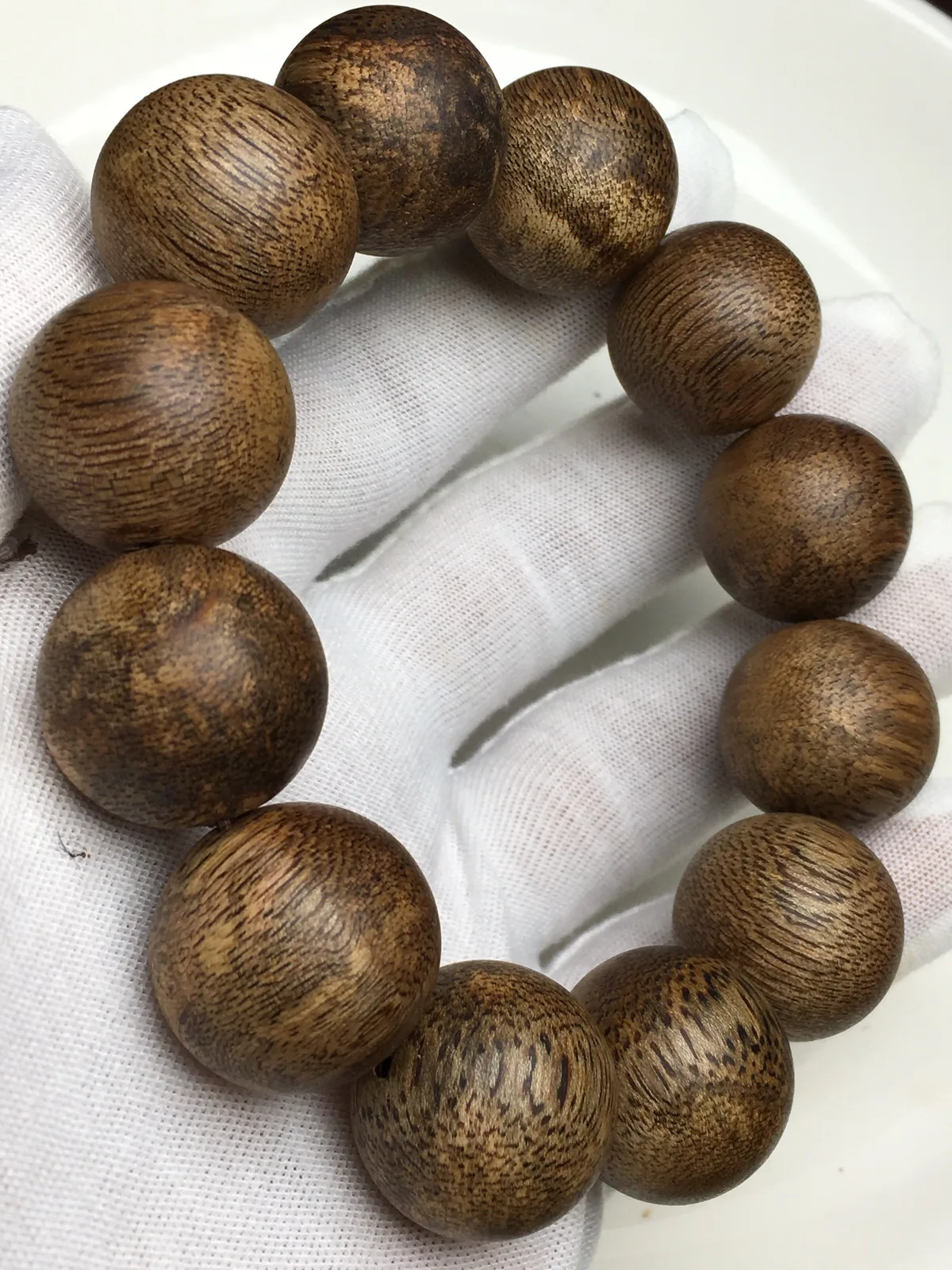
- A finished strand, on film
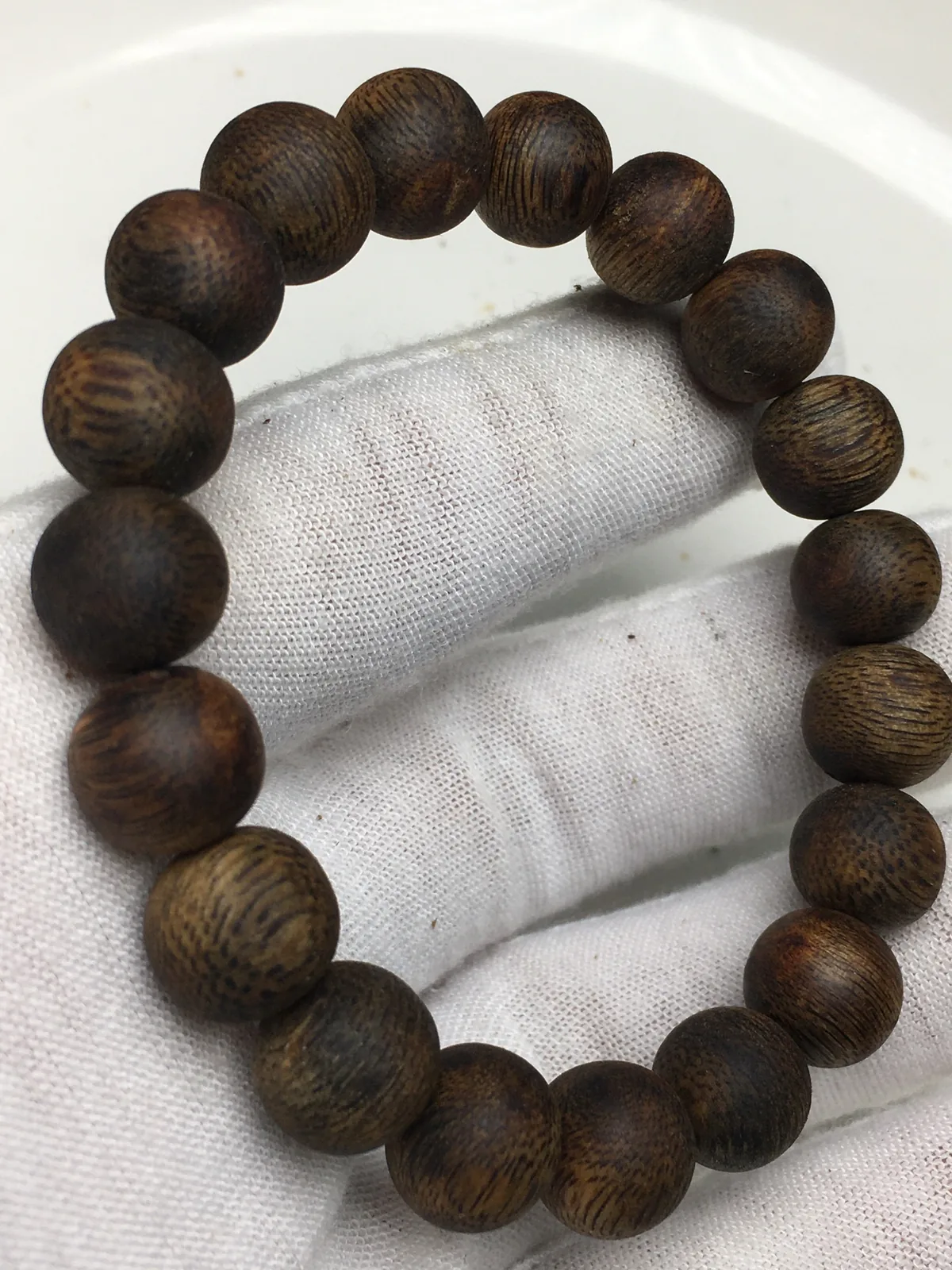
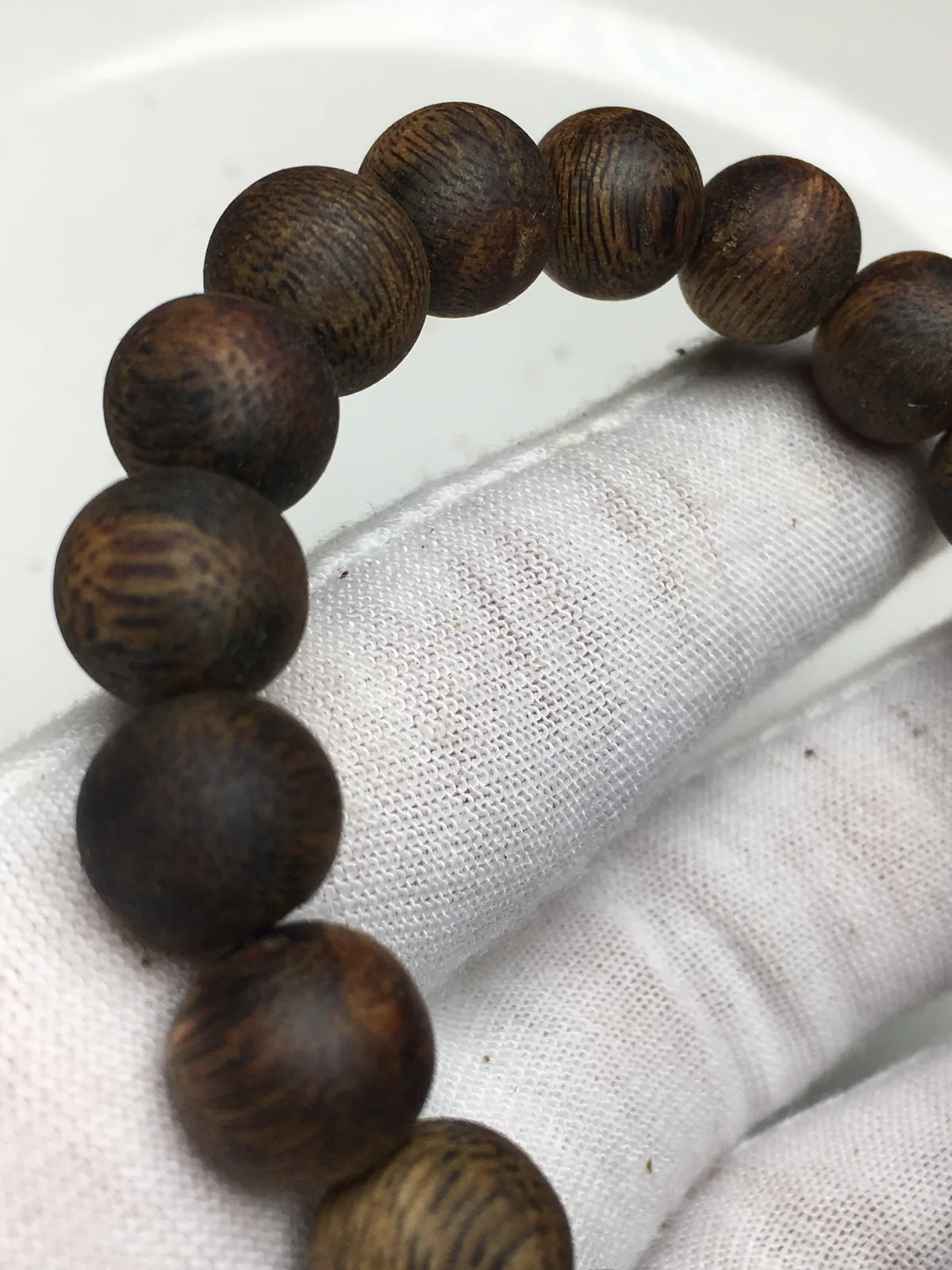
- More finished strands, on film
- How to tie an elastic bracelet: what are the key points?
- Frequently asked questions
 Elastic cord
 Sliding knot
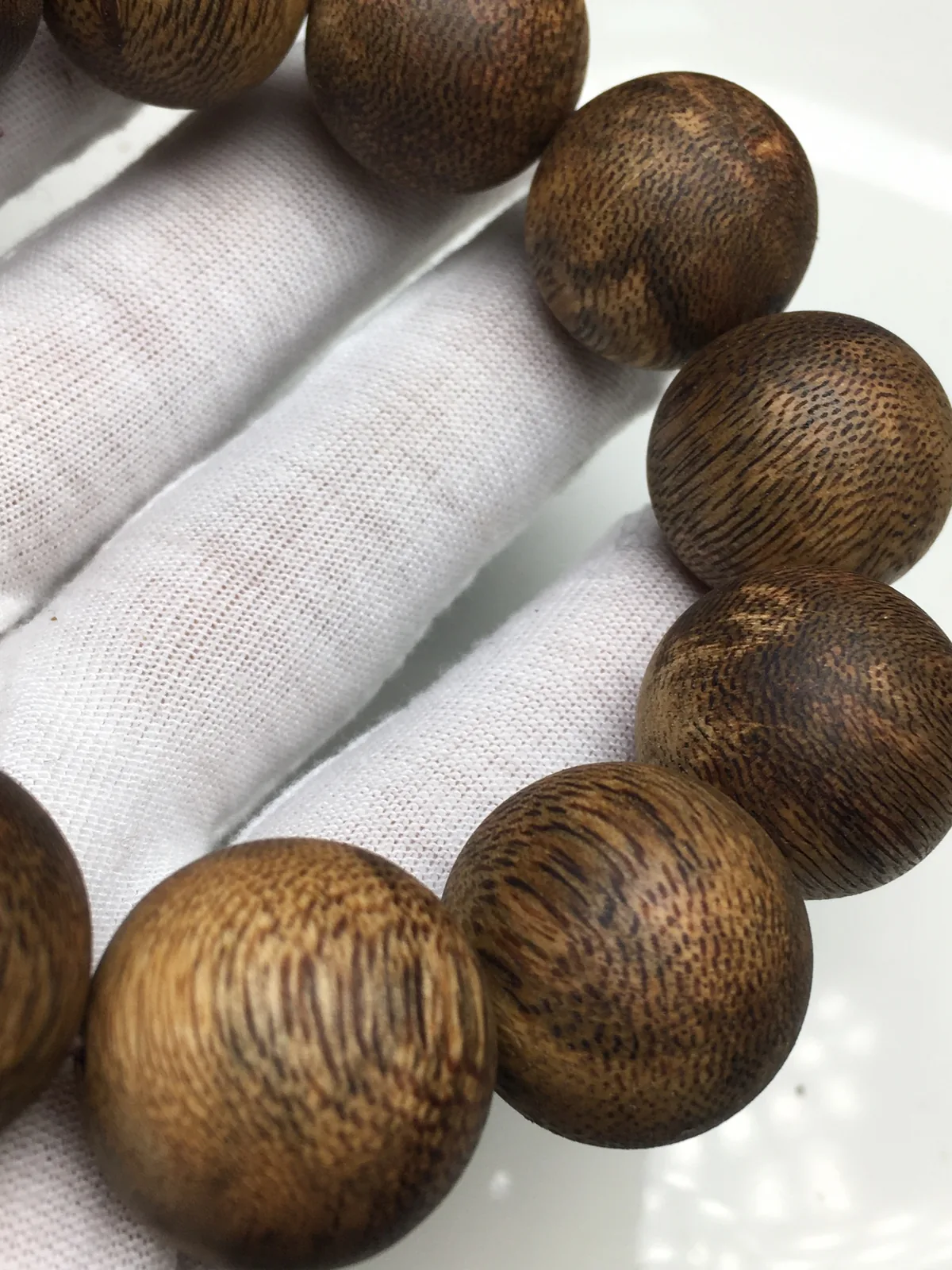
Two closures: elastic cord tied with a surgeon’s knot, and a red cord that adjusts with a sliding knot.
How do you tie an elastic bracelet so it holds?
To tie an elastic bracelet so the knot holds, pre-stretch the cord, use a surgeon’s knot, pull the knot tight, add a tiny drop of jewellery glue, and hide the knot inside a bead. The rest of the guide shows each move, plus the mistakes that make a strand snap.
In practice, how to tie an elastic bracelet well comes down to tension. A knot tied on slack cord loosens as soon as the elastic bracelet stretches over the hand. For that reason, stretch the cord first, before you thread a single bead. Pull each 25 cm length 3 or 4 times. Then, once you have tied the strand, roll the bracelet over your hand a few times to test the knot. In our data, 37% of styles come in 8 mm beads. An 8 mm elastic bracelet takes standard 0.8 mm cord.
Wood swells and shrinks as its moisture content changes, according to Forest Products Laboratory data in the 2010 Wood Handbook.(USDA 2010) First, the movement works the cord inside each bead. Second, elastic loses stretch with age. Finally, keep the strand dry and restring the bracelet every year or two, so the elastic bracelet knot keeps holding.
Which cord should you use to tie an elastic bracelet?
This table is a 4-row summary. First read the bead size column, then compare the beads on a 16 cm wrist, cord thickness, notes across each row. For example, the first row covers “6 mm”.
| Bead size | Beads on a 16 cm wrist | Cord thickness | Notes |
|---|---|---|---|
| 6 mm | 31 | 0.6–0.8 mm | Fine cord, small knot |
| 8 mm | 24 | 0.8 mm | Standard |
| 10 mm | 20 | 0.8–1.0 mm | Standard to strong |
| 12 mm | 17 | 1.0 mm | Heavier strand, strong cord |
Bead counts use our wrist-fit geometry at a standard fit. Choose the thickest cord that still passes twice through the bead hole.
An elastic cord is a stretch cord, and the right thickness depends on bead size and bead weight. Bigger beads need thicker cord, because a 12 mm strand carries far more wood than a 6 mm strand. Agarwood density also varies with resin content, as a 2021 review by Wang and colleagues explains.(Wang 2021)
For example, a heavy 12 mm agarwood strand suits a 1.0 mm cord, while 6 mm beads take a fine cord and a small knot. Additionally, the cord must pass twice through one bead hole, because the finished knot hides inside a bead. In practice, test the cord in the smallest hole on the strand before you cut 25 cm. In our data, 29% of styles offer 6 mm beads and 15% offer 12 mm. So each elastic bracelet size needs its own cord.
Part 1 — How do you tie an elastic bracelet, step by step?
A surgeon’s knot is a square knot with one extra wrap on the first pass, and the surgeon’s knot is the heart of every elastic bracelet. First, cut about 25 cm of cord and stretch the cord firmly 3 or 4 times. Second, thread the beads and check the fit round the wrist. Third, tie the surgeon’s knot. Pull each end hard and slowly, so the knot beds down. Step 1 matters because wood moves with moisture, as shown by the Forest Products Laboratory.(USDA 2010)
After that, add a tiny drop of jewellery glue to the knot and let the glue dry fully. Finally, trim the ends to about 3 mm and slide the knot inside a neighbouring bead. For example, a spacer bead with a larger hole, placed next to the knot, makes hiding the knot much easier. Follow the order from cutting to hiding, and the finished elastic bracelet looks seamless and lasts for a year or two of daily wear.
Part 2 — How do you tie an adjustable bracelet knot?
A sliding knot is an adjustable closure: two cord ends run side by side through one knot, so the bracelet opens and closes. Many cord bracelets use a sliding knot instead of an elastic bracelet knot. First, lay the two ends side by side. Second, tie 4 to 6 square knots round both ends with a separate short piece of cord. Third, pull the knot tight, trim the short cord and seal the ends.
Finally, slide the two main cords to check whether the bracelet opens and closes smoothly. Our red string bracelets close with a sliding knot, so a red string bracelet needs no wrist size. A sliding knot of 4 to 6 square knots grips well without slipping. However, most bead strands still use elastic cord, so knowing how to tie an elastic bracelet remains the core skill. For example, our data counts 3 sliding-knot styles out of 182, or 2%, against 80% strung on elastic.
Elastic cord or sliding knot?
This comparison is a 4-point check of Elastic cord against Sliding knot. For example, the first row compares sizing. Finally, pick the column that matches what you need.
| Feature | Elastic cord | Sliding knot |
|---|---|---|
| Sizing | Fixed, to the wrist | Adjusts to most wrists |
| Putting on | Roll over the hand | Open, slip on, pull closed |
| Lasts | Restring every year or two | Cord frays slowly |
| Best for | Bead strands | Cord bracelets, gifts |
Elastic cord is the usual choice for bead strands, because the strand rolls over the hand and needs no clasp. The trade-off is fixed sizing: an elastic bracelet fits one wrist size, and elastic loses stretch over time. Plan to restring every year or two.
A sliding knot is the better choice for cord bracelets and gifts, since the knot adjusts to most wrists. For example, a red string bracelet with a sliding knot suits a gift of unknown wrist size. Additionally, a sliding cord frays slowly rather than snapping. In practice, choose elastic for agarwood bead strands and a sliding knot for cord designs. In our data, 19% of styles come in beads of 12 mm or more. A heavy elastic bracelet tires its cord fastest.
What are the steps to tie an elastic bracelet?
This process is a 4-step sequence, from “Pre-stretch the cord” to “Glue, trim and hide”. First follow step 1, then work down the 4 steps of “What are the steps to tie an elastic bracelet?” in order.
- 1
Step 1: Pre-stretch the cord
Pull 25 cm of cord firmly a few times.
- 2
Step 2: Thread and check
Thread the beads and check the fit.
- 3
Step 3: Surgeon’s knot
Square knot with an extra wrap; pull slowly and hard.
- 4
Step 4: Glue, trim and hide
A tiny drop of glue, trim to 3 mm, slide into a bead.
Step 1 is the step most people skip, and a missing pre-stretch is the most common reason an elastic bracelet loosens. The surgeon’s knot in step 3 matters next, because a plain overhand knot slips on slippery elastic. Step 4 finishes the job, but keep the glue to a tiny drop. Too much glue makes the knot hard and bulky, so the knot will not slide inside a bead.
After tying, roll the strand over the hand and never pull the strand wide. Additionally, keep wood beads dry, since wood swells and shrinks with moisture, according to Forest Products Laboratory research. For example, 34% of styles in our data offer 10 mm beads. A 10 mm elastic bracelet takes 0.8–1.0 mm cord.
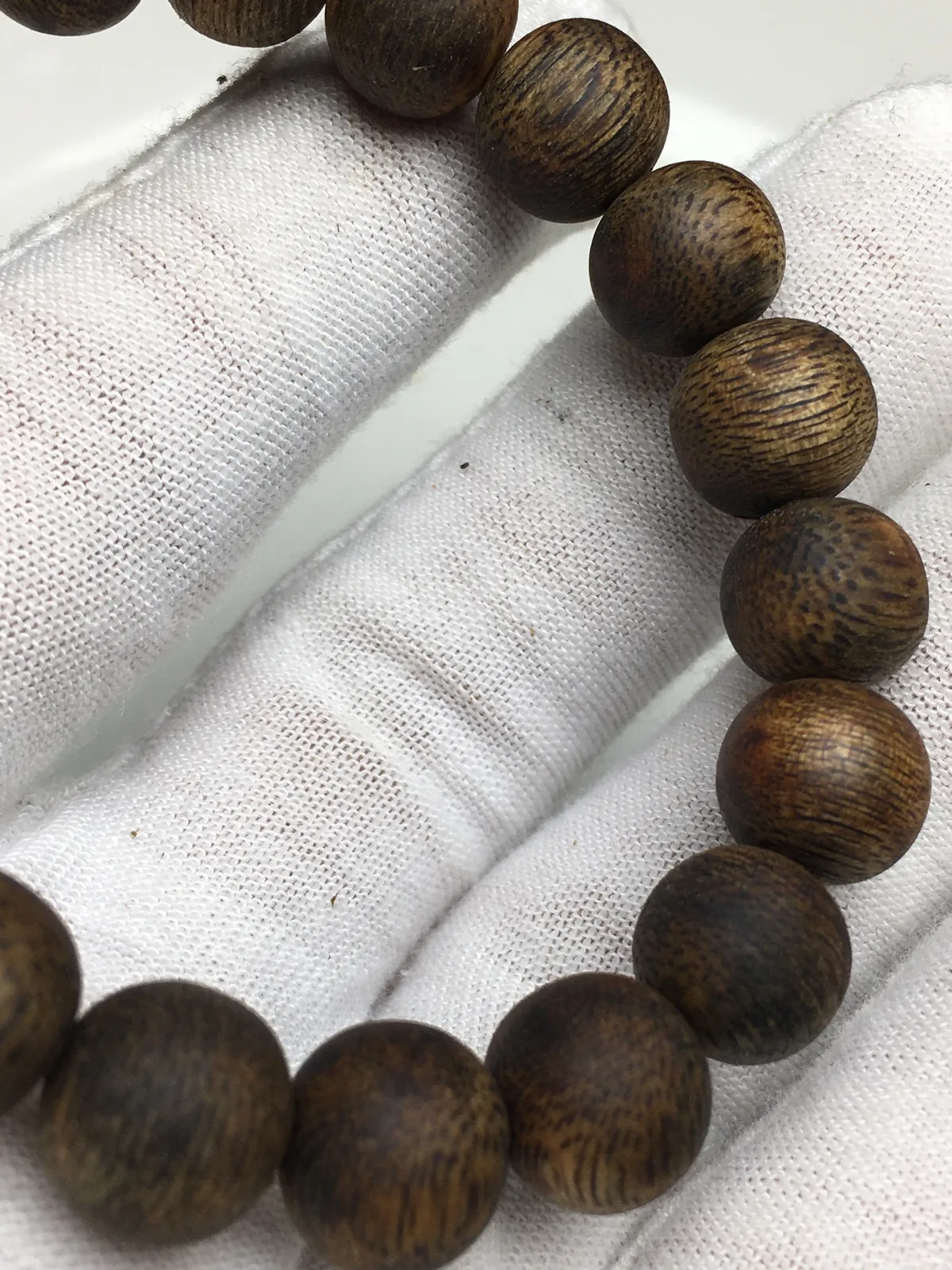
A finished strand, on film
More finished strands, on film
How to tie an elastic bracelet: what are the key points?
An elastic bracelet is a strand of beads on stretch cord, so the knot carries all the strain. In short, to tie an elastic bracelet: stretch the cord, tie a surgeon’s knot, pull the knot tight, glue the knot lightly, and hide the knot in a bead. Also, keep wood beads dry, because wood swells and shrinks with moisture,(USDA 2010) which strains the cord.
Heavier, resin-rich agarwood strands also work the cord harder, as the 2021 review by Wang and colleagues on agarwood grading suggests,(Wang 2021) so choose a stronger cord for a heavy strand. For example, a 12 mm strand takes a 1.0 mm cord in the table above. Additionally, restring every year or two with daily wear, or sooner if small gaps open between the beads. Our agarwood is plantation-grown and ships under CITES rules.(CITES) We string every wooden bead bracelet with the same surgeon’s knot.
Frequently asked questions
This FAQ is a set of 8 short answers about how to tie an elastic bracelet (and an adjustable knot). First find your question below. For example, many facts in these answers about how to tie an elastic bracelet (and an adjustable knot) come from the 3 published sources in References, which we checked in September 2026.
What is the best knot for an elastic bracelet?
The surgeon’s knot. It is a square knot with one extra wrap on the first pass, which grips the slippery elastic far better than a plain knot. Pull each end slowly and hard so the knot beds down before you add glue and trim.
Why does my elastic bracelet keep breaking?
Usually because the cord was not pre-stretched, the knot was too simple, or the strand is rolled on by pulling it wide. Heavy beads and a cord that is too thin also wear it quickly. Stretch the cord first and choose the thickest cord that fits. In our data, 19% of styles offer beads of 12 mm or more. Meanwhile, 29% offer 5 mm beads for fine cord.
Should I glue the knot on an elastic bracelet?
A tiny drop of jewellery glue helps the knot hold. Use very little, and let it dry fully before you trim or stretch the strand. Too much glue makes the knot hard and bulky, so it will not slide inside a bead to hide.
How do I hide the knot on a bead bracelet?
Trim the ends to about 3 mm after the glue dries, then gently slide the knot into a neighbouring bead with a slightly larger hole. Spacer beads with larger holes, placed next to the knot, make this much easier on small or tight bead holes.
How much cord do I need for an elastic bracelet?
About 25 cm is plenty for most wrists. The strand itself needs your wrist length plus a little ease, and the extra gives you room to hold both ends while you tie the surgeon’s knot and pull it tight. Stretch the piece 3 or 4 times first, and trim the spare afterwards.
How do I tie an adjustable bracelet knot?
Lay the two cord ends side by side, then tie several square knots round both with a separate short piece of cord. Pull tight, trim and seal the ends. The two main cords then slide through that knot, so the bracelet opens and closes.
How often should I restring an elastic bracelet?
Every year or two with daily wear, or sooner if you see small gaps between the beads. Elastic slowly loses its stretch. Wood beads also swell and shrink with moisture, according to Forest Products Laboratory data. Keeping the strand dry, taking it off for the gym and rolling it on over the hand all help the cord last longer.
Can a jeweller restring an elastic bracelet?
Yes, most jewellers and bead shops restring an elastic bracelet quickly. Ask for a cord suited to the bead weight and a surgeon’s knot hidden inside a bead. Bring the strand with every bead, because wooden beads are hard to match exactly.
References
This reference list is the source record for “How to Tie an Elastic Bracelet (and an Adjustable Knot)”, with 3 published sources. According to the citations in “How to Tie an Elastic Bracelet (and an Adjustable Knot)”, such as (USDA 2010), each one links to one entry below. Finally, we checked all 3 links behind “How to Tie an Elastic Bracelet (and an Adjustable Knot)” in September 2026.
- 1Forest Products Laboratory. Wood Handbook — Wood as an Engineering Material (General Technical Report FPL-GTR-190). USDA Forest Service, 2010.View source
- 2Wang Y., Hussain M., Jiang Z., et al.. Aquilaria species (Thymelaeaceae) distribution, volatile and non-volatile phytochemicals, pharmacological uses, agarwood grading system, and induction methods. Molecules 26(24): 7708, 2021.doi:10.3390/molecules26247708
- 3CITES Secretariat. Appendices I, II and III. Convention on International Trade in Endangered Species of Wild Fauna and Flora, current.View source
References are listed for transparency. We summarise them for general reading; nothing here is medical advice, and no health effect is claimed.
In this article
Styles mentioned


Related articles
Weighed before you pay
Choose a style, get your strand weighed
Pick a bead and size, send your request, and we reply with a video of your piece on the scale — its exact weight and price. Nothing is charged until you approve.